



We find the rain path on the South End West Palm Beach stack — crown, cap, chase cover, or flashing — then write the estimate.
Tracing water on tile roofs and lagoon lots
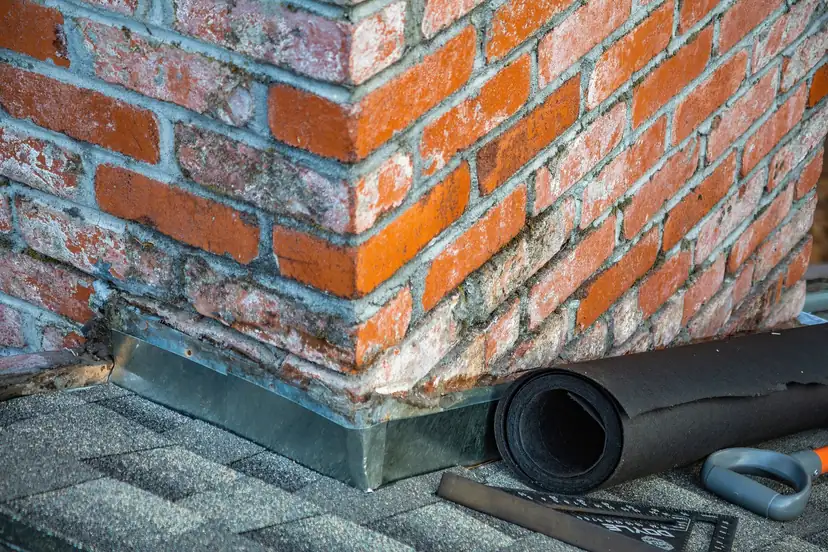
Leak calls in the South End usually start as a ceiling stain under a masonry chimney in a 1920s to 1950s block house. The entry is rarely the stain itself. On clay-tile roofs in SoSo and Prospect Park, water often comes through a failed pan or a cracked tile at the chimney saddle, then runs along the deck before it appears inside. On shingle roofs the boot and step flashing are the first places we open. Houses on Flagler Drive add a third pattern: wind-driven rain off the Lake Worth Lagoon finding a rusted cap or a flat crown. A house west of the lagoon does not get that third story unless the roof shows it.
The free inspection is a tracing visit. We look at the crown or lid, the cap, the flashing, the masonry joints, and the top of the firebox if it is safe. We do not coat the chimney and hope. The written estimate names the path we could actually see and the repair that closes it. If two paths are possible, both are listed instead of a single guessed product.
How a South End leak visit is set
Use the free estimate form and describe where the stain sits, the ceiling or the firebox, and whether it appears only after hard rain. Attic access, if you have it, should be mentioned. County leak diagnosis is on chimney leak repair. This neighborhood's other chimney work is reached from South End.
A rusted chase lid on a later addition is not diagnosed as historic masonry. We will move that finding to a cover replacement if that is what the roof shows.