


Fireplace cleaning in West Palm Beach: define the fuel and scope first
Gas, wood-burning, and electric fireplaces collect different residue and contain different components. A useful fireplace-cleaning estimate identifies the fuel and appliance, the accessible parts to be cleaned, any manufacturer restrictions, and what would require a separate chimney sweep, inspection, diagnosis, or repair.
Gas fireplace cleaning
Gas fireplaces do not produce wood ash, but dust, residue, or film may appear on accessible glass, logs, or the burner area. Cleaning methods and intervals depend on the exact appliance instructions and condition. Do not move listed logs, alter burner parts, or treat cleaning as a complete safety inspection. Gas odor, delayed ignition, soot, repeated shutdowns, or a carbon-monoxide alarm requires the appropriate emergency response or diagnostic path rather than routine cleaning.
Wood-burning fireplace cleaning
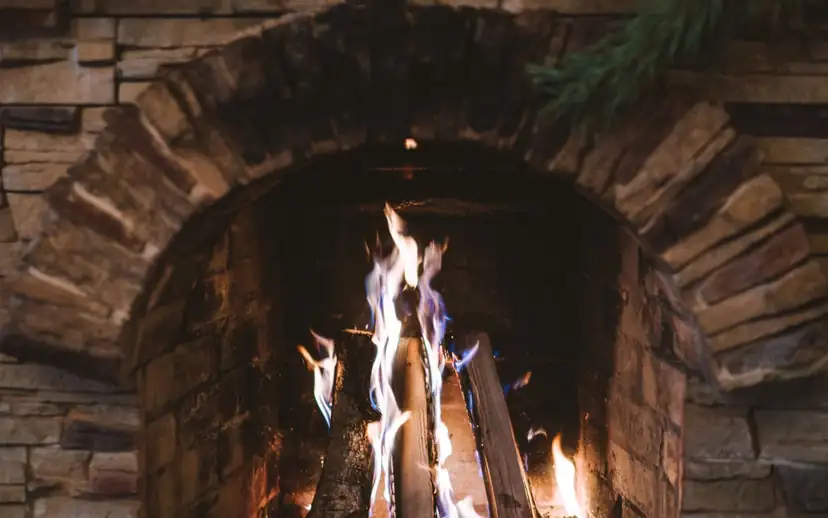
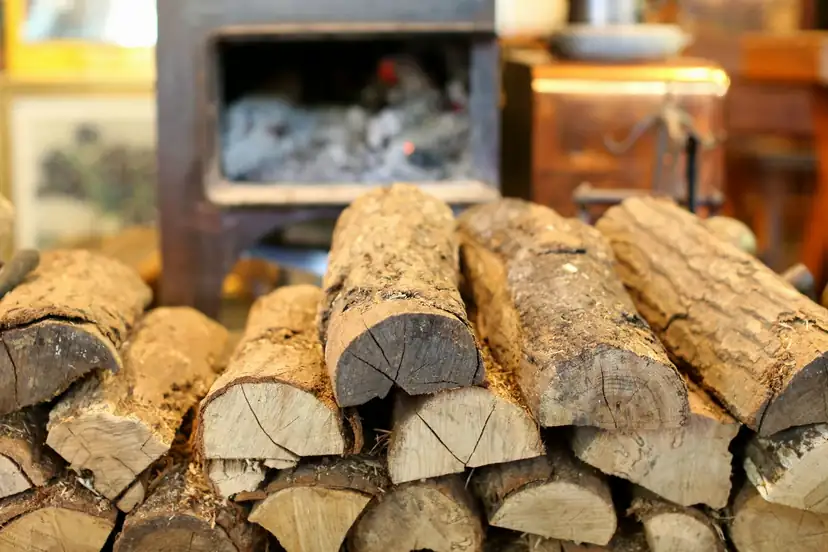
A wood-burning firebox can collect ash, soot, debris, and deposits. The amount, condition, appliance instructions, and planned use determine the appropriate cleaning scope. Firebox cleaning does not automatically include the smoke chamber or full flue; those areas may require a separate chimney sweep, creosote-removal service, or inspection.
Fireplace vent cleaning is a separate scope
Fireplace vent cleaning depends on the appliance and venting system. A wood-burning flue, a listed gas vent, and the air passages of an electric unit are not cleaned with the same method or tools. The estimate should identify the vent path, accessible sections, manufacturer restrictions, containment, and whether the request belongs under flue and chimney cleaning, a chimney sweep, appliance maintenance, or another qualified trade. Cleaning should not be used to conceal corrosion, damaged vent components, poor draft, or an unresolved combustion concern.
How often should a fireplace be cleaned?
Use the appliance manufacturer guidance together with fuel, use, buildup, environment, and condition rather than one calendar rule for every fireplace. Odor, soot, changed flame behavior, ignition trouble, moisture, damaged glass, or smoke spillage can indicate that cleaning alone is not the right service. If smoke is actively entering the home or a carbon-monoxide alarm sounds, evacuate and call 911.