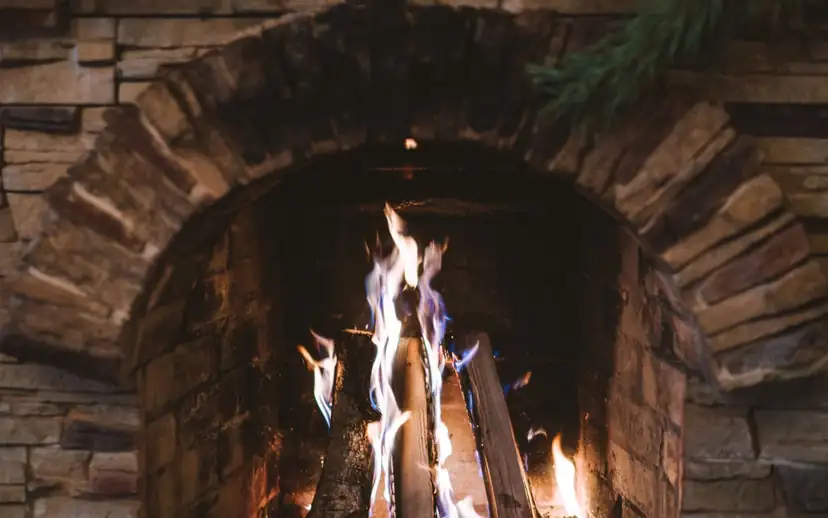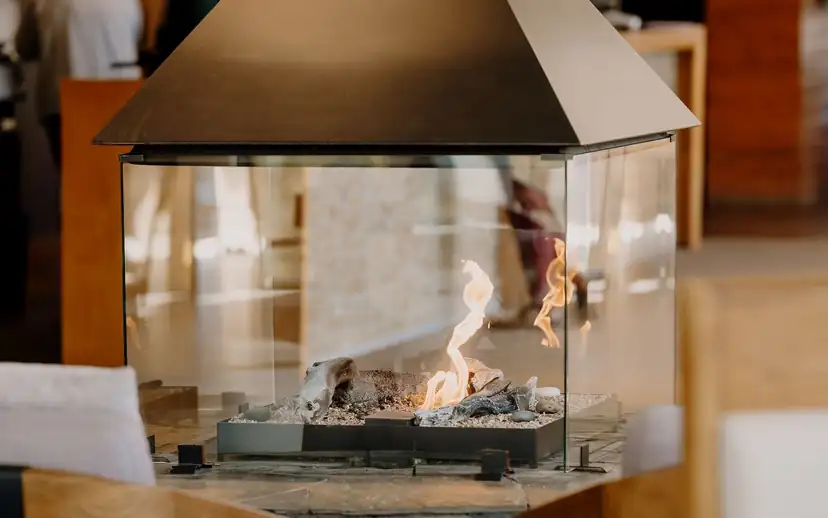


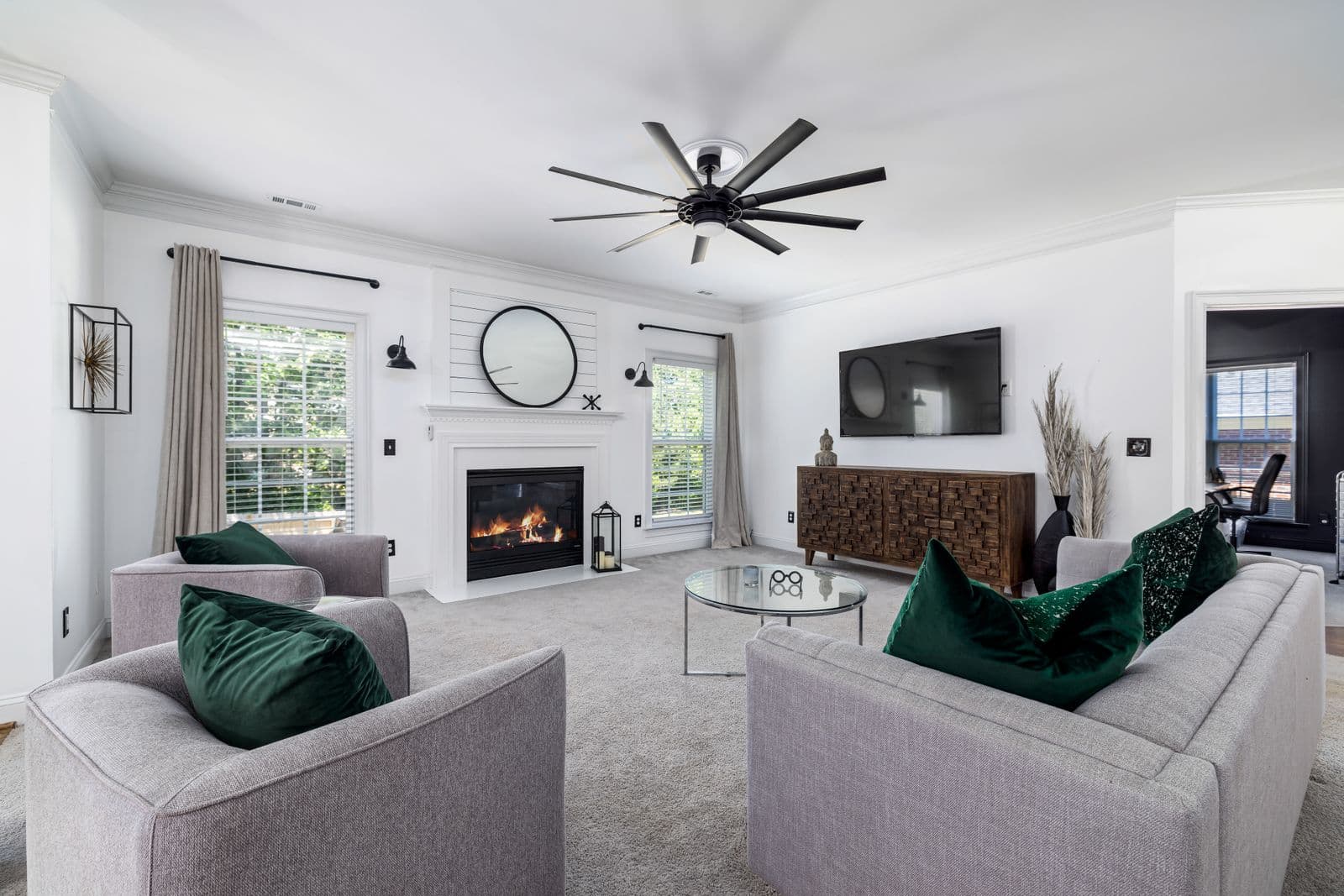
Gas fireplace installation, inserts, gas logs, and conversions
Planning a new gas fireplace or replacing a wood-burning system? Your options include a built-in fireplace, an insert for an existing opening, or a gas log set. The right choice depends on the firebox condition, available space, gas supply, vent route, and how you want to use the room. Check those details before buying an appliance.
Gas insert, built-in fireplace, or gas log set?
A gas insert is a self-contained appliance sized to fit an existing fireplace opening and connected to the venting system specified by its manufacturer. A zero-clearance built-in is framed into a new or remodeled wall. A gas log set places a burner and ceramic logs in an approved existing firebox. They differ in heat output, enclosure, venting, appearance, and installation scope, so the opening and intended use come before the product choice.
Wood-to-gas conversion
Converting an existing wood-burning fireplace requires more than adding decorative logs. The firebox condition, chimney or vent path, appliance listing, gas-supply route, clearances, and controls all need to match the chosen insert or log set. If a liner or dedicated vent is required, it is sized to that appliance.
Venting and fuel supply belong in the same plan
Direct-vent, B-vent, and vent-free products do not use the same combustion-air or exhaust arrangement. Local requirements and the selected unit determine what is acceptable at a given property. The written plan should identify the proposed route, termination location, gas connection, controls, surrounding clearances, permits, and qualified-trade responsibilities before installation.
Replacement versus repair
A single failed ignition or control component usually belongs on the gas fireplace repair page. Installation becomes the appropriate scope when the homeowner wants a new appliance, replacement parts are no longer practical to source, the unit does not fit the desired use, or a remodel changes the opening and finish.