

The short answer
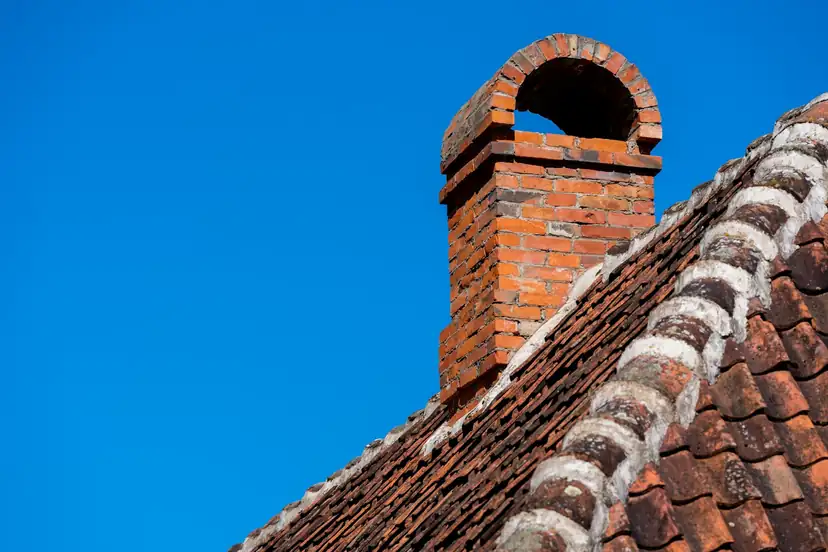
Chimney cap installation begins with identifying the venting system and measuring the flue or chimney top. Cap style, fit, material, attachment, roof access, exposure, and any crown or chase condition determine whether repair, mesh replacement, a standard cap, or custom fabrication fits the project.
Chimney cap repair and installation options
Single-flue, multi-flue, mesh replacement, or custom fabrication: each starts with the measured opening and the crown or chase it sits on. We assess missing or rusted caps and first-time installations, then specify the proposed work in your written estimate.
Three jobs of a chimney cap
A correctly sized cap does three jobs. None of them is a promise that the chimney stays dry in every later storm, and none of them replaces a failed crown or chase cover.
Keep rain out of the flue
The hood sheds water at the opening so rain does not fall straight down the flue. Wind-driven rain can still wet adjacent masonry. A cap does not fix a cracked crown or a flat chase pan.
Keep animals and debris out
Mesh or a listed spark arrestor limits birds, squirrels, and leaves. Mesh that is rusted through or the wrong size is a repair or replacement item, not a cleaning issue. Visible animal activity at the top is a reason to stop use until the opening is assessed.
Help contain sparks at the top
A spark arrestor, where the listing and local rules allow it, helps keep embers from leaving the flue. Mesh size and attachment belong in the written scope. A cap is not a fire-suppression system and does not replace a sweep when creosote is the issue.
Sized on the chimney before the cap is ordered
A cap is measured on the flue or chase, then ordered or fabricated. We do not pick a stock size from a photo. Coastal salt air can rust lighter galvanized hardware faster than inland lots; that is an honest exposure note, not a promise that stainless or copper will never corrode. The written estimate names the measured opening, material, and attachment before anything is ordered.
Choose a chimney cap for the specific flue and property
Cap selection starts with the flue dimensions, shape, number of openings, venting system, crown or chase configuration, roof access, exposure, and applicable manufacturer or code requirements. A standard single-flue cap, multi-flue cover, outside-mount cap, or custom-fabricated option may fit different conditions.

Compare materials without a blanket default
Galvanized steel, stainless-steel alloys, coated metal, and copper differ in appearance, cost, corrosion characteristics, fabrication, and maintenance. Coastal exposure matters, but no alloy or material is automatically correct for each chimney. The proposal should identify the selected material and why it fits the project.
Repair, mesh replacement, or full cap replacement
Loose hardware or damaged mesh may support a limited repair when the remaining cap is serviceable. Widespread corrosion, poor fit, storm damage, or an incompatible design may support replacement. The onsite assessment should distinguish those options before work is approved.
What to confirm in writing
Ask for measurements, cap style, material, finish, attachment method, removal scope, crown or chase preparation, price, expected timing, and any applicable product or workmanship warranty terms. Custom fabrication and weather can affect availability.
Caps are measured on Palm Beach County flues, not ordered from a ZIP
From 1930c S Dixie Hwy we size caps on masonry flues and chase openings across the county — South End and Lake Worth Beach historic stacks, Greenacres and Boynton ranch flues, Jupiter and Palm Beach Gardens planned-community tops, and inlet-side rusted screens on Singer Island and Ocean Ridge.
A wrong diameter or a warped chase lid is why the free inspection comes before anything is ordered. The written scope names the measured opening, the screen or spark need you booked, and whether the crown or chase cover must be repaired first.
Cap, chase cover, and masonry crown are three parts
A cap covers a flue. A chase cover is the metal lid on a framed enclosure. A crown is the masonry wash. Homeowners on A1A and on inland ranch streets use the words interchangeably. The inspection writes which assembly is installed.
Salt air on Palm Beach, Highland Beach, Gulf Stream, and Manalapan can decide metal choice for that lot. Inland Haverhill and The Acreage still need a screen that fits and keeps animals out. Exposure is a line on the estimate, not a town-wide catalog.
How to book a cap visit with this shop
Call (561) 830-5154 or send the form with the street and whether you already know the top is missing, rusted, or the wrong size. Chimney Repair West Palm Beach writes the cap scope after the measurement. You approve the part before it is ordered.
Flues we measure from historic stacks to western chases
South End and Lake Worth Beach historic masonry, Greenacres and Boynton ranch flues, Jupiter and Palm Beach Gardens planned-community tops, and inlet-side rusted screens on Singer Island and Ocean Ridge do not share a diameter.
Salt air on Palm Beach, Highland Beach, Gulf Stream, and Manalapan can decide metal choice for that lot. Inland Haverhill 33415 and The Acreage 33470 still need a screen that fits and keeps animals out. Exposure is a line on the estimate, not a town-wide catalog.
- A cap covers a flue. A chase cover is the metal lid on a framed enclosure. A crown is the masonry wash.
- A warped chase lid is why the free inspection comes before anything is ordered.
- Spark, screen, and animal-entry needs are stated when you book, then confirmed on the roof.
Cap installation after the opening is measured
Call (561) 830-5154 with the street and ZIP. Chimney Repair West Palm Beach sizes the cap on the flue or chase, writes whether the crown or chase cover must be repaired first, and waits for your approval before the part is ordered.
This page is not chase-cover repair and not crown repair. Those stay on their own services when that is the assembly on the house.
Rusted screens on South End stacks off S Dixie Highway
The shop at 1930c S Dixie Hwy sits on the South End corridor. Mediterranean Revival and 1920s masonry flues off S Dixie Hwy usually need a measured replacement: rusted screens, missing hoods, or a first-time fitted top when the flue never had one.
A factory lid is still chase-cover repair. A cracked wash is crown repair. We measure the flue opening, then write the replacement or first-time installation before the part is ordered.
Cap replacement is measured, then ordered
Chimney cap replacement in West Palm Beach covers a missing screen, a rusted lid, or animal entry at a flue. A masonry crown and a factory chase cover are different parts. South End searches for cap replacement land on the South End page and on this county owner. Both still measure the opening on site.
Nothing is fabricated from a phone diameter. Call (561) 830-5154 for the free inspection. The written quote names the cap, fasteners, and whether the crown has to be repaired so the screen can seat.
Cap, crown, or chase cover — measure first
A cap is sized on the flue or chase. Call (561) 830-5154 before anyone orders a part. A factory lid and a masonry wash are different assemblies.
- Free estimate form
- South End cap replacement
- Palm Beach Gardens chimney cap
- Chase cover repair
- Leak repair
- Chimney repair
Town hubs that ask the same hiring question locally: South End, Palm Beach Gardens, Ocean Ridge, Riviera Beach.