


Fireplace inspection near me: what should actually be inspected?
A search for fireplace inspection near me can mean a routine check before the first cool night, a home-purchase inspection, a gas fireplace that has sat unused, smoke entering the room, visible cracks, or concern after a storm. Those are not identical visits. The right scope depends on the fuel, the appliance, the venting system, and the question you need the inspection to answer.
Fireplace inspection versus chimney inspection
A fireplace inspection starts at the appliance and hearth. It looks at the firebox, refractory or firebrick, doors or glass, hearth, surround, accessible controls, and the connection to the venting system. A chimney inspection follows the chimney structure and flue: liner, smoke chamber, crown, cap, flashing, masonry, and accessible exterior or concealed areas. A wood-burning masonry fireplace often needs both views because the appliance and chimney operate as one system. An electric fireplace usually has no chimney at all.
What changes for a wood-burning fireplace
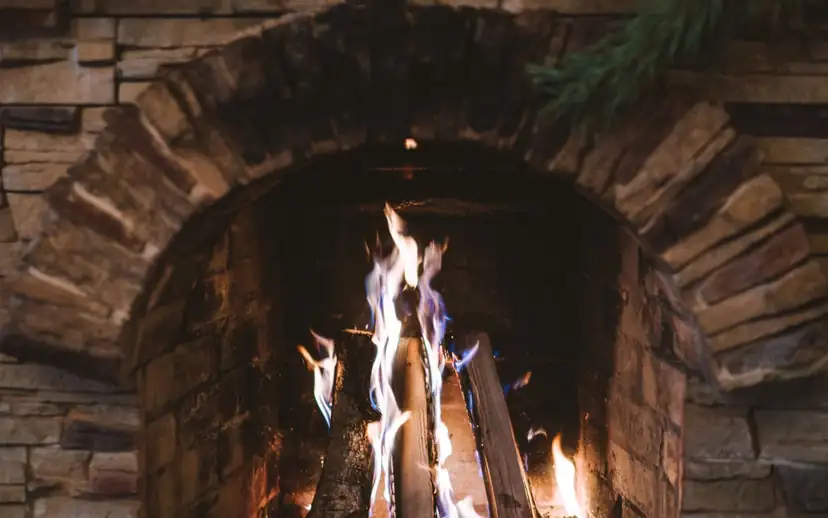
Wood-burning inspection focuses on the firebox, firebrick or refractory panels, hearth extension, grate, door condition, damper movement, smoke chamber, visible flue, and signs of soot, creosote, moisture, or prior overheating. If the question involves the full flue, a home sale, a fuel change, a chimney fire, or suspected concealed damage, the chimney portion needs the appropriate level of detail rather than a quick view from the hearth.
What changes for a gas fireplace
A gas fireplace has an appliance listing, model-specific log pattern, burner, ignition system, controls, glass or screen, gasket on sealed units, gas connection, and a listed venting arrangement. Inspection begins by identifying the unit and the symptom. Soot on the glass, a pilot that will not stay lit, unusual shutdowns, damaged glass, or a gas odor are not routine cleaning questions. If a carbon-monoxide alarm sounds, evacuate and call 911. If gas is smelled, do not operate switches, electronics, flames, or the fireplace; evacuate, then call 911 and the gas utility from outside. Contact a contractor only after emergency responders or the gas utility clear the property.
What a fireplace safety inspection should answer
A fireplace safety inspection is not one universal checklist. Its purpose is to document whether the accessible appliance, firebox, hearth, controls, venting or flue, clearances, and visible surrounding materials show conditions that affect the question being asked. The exact components differ among wood-burning, gas, electric, masonry, and factory-built systems, and concealed areas remain outside the scope unless separately identified.
The written scope should state the fuel and appliance, inspection purpose, accessible components, operating checks when appropriate, photographs or report fields included, limitations, and any stop-use recommendation. Cleaning, repair, destructive access, code evaluation, and third-party acceptance are separate matters and should not be implied by the phrase “safety inspection.”
When inspection and cleaning belong on the same visit
Inspection documents condition; cleaning removes residue and debris. A visual check may show that a wood-burning flue needs a chimney sweep, but the two terms are not interchangeable. A gas fireplace may need accessible glass, log, or burner-area cleaning without needing a chimney sweep. When someone searches for fireplace inspection and cleaning near me, the useful answer is a scope that states what will be inspected, what will be cleaned, and what would require a separate repair approval.
Fireplace inspection contractor in West Palm Beach
A search for a fireplace inspection contractor, or for fireplace inspection near me, is this page when the question starts at the appliance. A chimney inspection follows the flue and the stack. The free visit writes what the booked access can show. Repair, a sweep, or an installation is a separate written quote. Call (561) 830-5154 with the fuel and the reason for the visit: a sale, a long idle period, or a unit that has not been checked before the season.
Gas and wood are not the same checklist. If a carbon-monoxide alarm sounds, evacuate and call 911. If you smell gas, do not operate switches, electronics, or flames. Leave, then call 911 and the gas utility from outside. Contact a contractor only after the property is cleared. There is no inspection price list. The written findings are the product of the visit.
Home purchase, sale, remodel, or long period without use
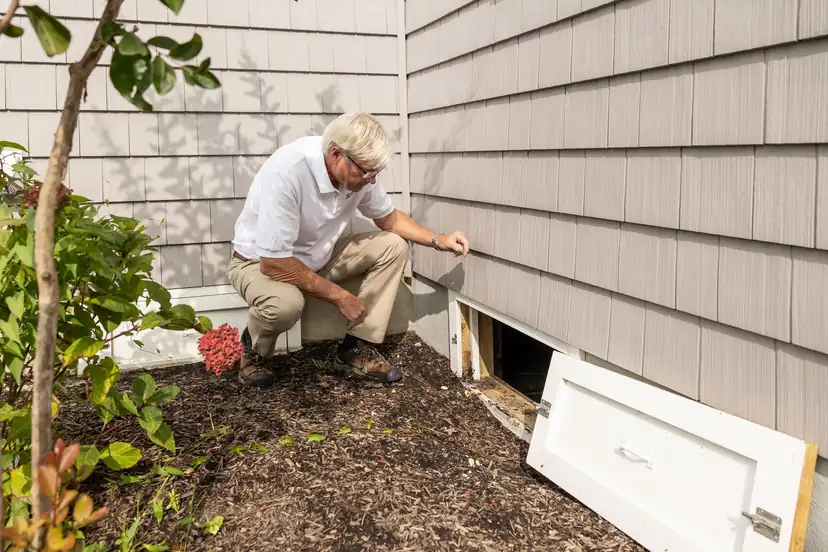
Before a transaction or remodel, identify what documentation the buyer, seller, insurer, contractor, or authority needs. The inspection should name the fuel type, visible components, limitations, and any area that could not be accessed. After a long idle period, the priorities are different: animal or debris entry, moisture, corrosion, stuck components, damaged gaskets, and whether the vent path is still clear. The reason for the visit belongs at the top of the scope so the report answers the question that triggered it.