

The short answer
Chimney rebuild cost factors include how much masonry must be removed, whether the scope is above the roofline or extends farther down, access, height, dimensions, materials, related components, permits, and hidden conditions. A project-specific price requires an on-site assessment and a written estimate that identifies the rebuild limits, materials, exclusions, and change process.
A chimney rebuild is one of the larger investments a homeowner can make in their masonry, so it's natural to want a realistic sense of cost before calling a contractor. The honest answer is that "chimney rebuild" covers a wide range of work, from rebuilding the few courses of brick above the roofline to taking a deteriorated stack down to the foundation and building it back up. Because the scope varies so dramatically, so does the price. This guide walks through the factors that actually move the number, so you can read an estimate with confidence and understand why two seemingly similar chimneys can carry very different costs.
Partial Rebuild vs. Full Rebuild
The main cost driver is how much of the chimney needs to come down and be rebuilt. Contractors generally talk about two categories.
Partial (above-the-roofline) rebuild
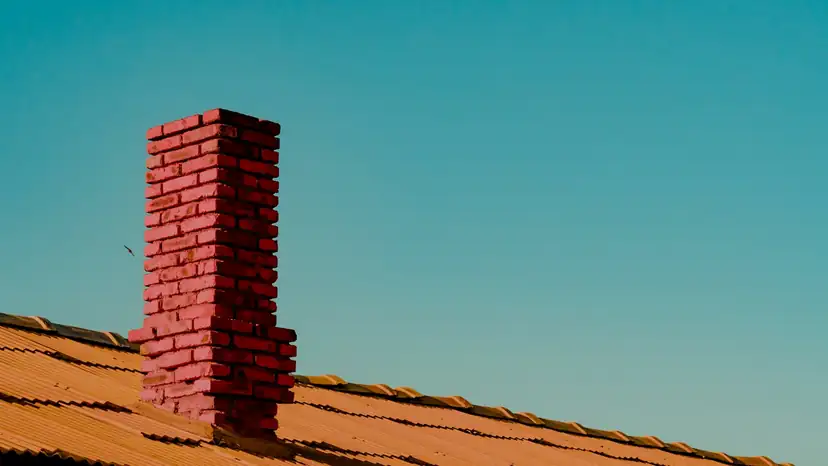
This is a common type of chimney rebuild. The portion of the chimney above the roof is directly exposed to weather. It takes the full force of rain, sun, and wind with no shelter, so it often deteriorates first. A partial rebuild removes the damaged brick and mortar from the roofline up and reconstructs that section, often including a new crown and cap. Because the work is contained to the exposed stack and the masonry below is left intact, this is the lower-cost end of the spectrum.
Full (top-to-bottom) rebuild
A full rebuild means dismantling the chimney from the firebox or foundation all the way to the top and reconstructing the entire structure. This is reserved for chimneys with widespread structural failure: leaning stacks, crumbling mortar throughout, a cracked or shifted foundation, or fire damage. A full rebuild is significantly more expensive because it involves far more material, far more labor, and frequently work both inside the home and on the roof. It can also touch adjacent systems like the firebox, smoke chamber, and flue liner.
Chimney Rebuild Cost Factors
Within those two categories, several variables determine where your estimate lands.
- Size and height of the chimney. A tall, wide stack simply has more brick courses to remove and replace. Height also affects how the crew accesses the work, which feeds into labor and equipment costs.
- Number of flues. A chimney serving two appliances (for example, a fireplace and a furnace) is wider and more complex to rebuild than a single-flue stack.
- Materials. Standard brick is the baseline. Natural stone, oversized or specialty brick, and custom color-matching to blend with an existing facade all raise material costs. The chimney masonry components (brick, block, and the mortar that binds them) are chosen for durability as much as appearance.
- Roof pitch and access. A steep or high roof, a multi-story home, or a chimney that's hard to reach with scaffolding all add labor time and safety setup. A simple single-story ranch is far quicker to work on than a three-story home with a steep roofline.
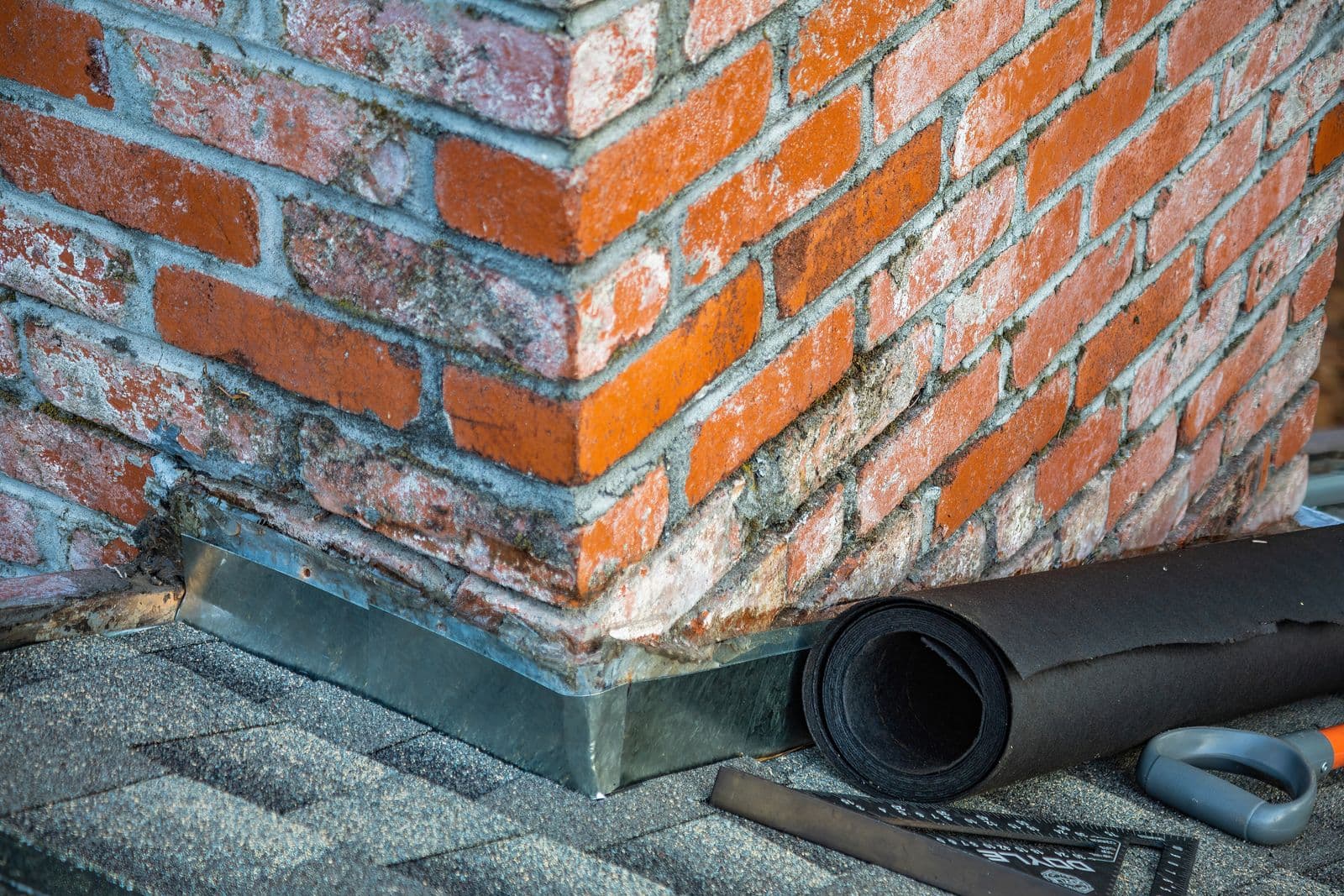
- Condition of related components. A rebuild is the natural time to address the crown, cap, flashing, and flue liner. If those need replacement too, they add to the total, but doing them during the rebuild is far more economical than separate visits later.
- Permits and inspections. Structural masonry work often requires a permit, and that cost varies by jurisdiction.
The Components Worth Building Right
When you're already investing in a rebuild, the materials at the most vulnerable points pay for themselves over time. A few details to look for in a quality estimate:
The crown
A crown should be specified for the existing masonry, flue termination, dimensions, slope, overhang, movement joints, exposure, code, and approved repair scope. The written estimate should identify preparation, repair material, geometry, curing, and exclusions.
The cap
A cap should match the appliance, flue or termination, dimensions, listing, clearances, attachment requirements, measured exposure, code, and manufacturer instructions. Compare the exact metal or coating, fabrication, mesh, fasteners, maintenance, and warranty terms.
Mortar and brick selection
Matching the strength and composition of the mortar to the brick is what keeps a rebuilt chimney standing for decades. Mismatched mortar, too hard or too soft for the brick, causes premature cracking. Good masons specify the right mortar type for the application rather than using whatever's on the truck.
Why Climate Factors Into the Decision
Where you live shapes both how fast a chimney deteriorates and what it costs to build one that lasts. In the humid, storm-prone South Florida climate, chimneys face heavy rain, salt-laden coastal air, and hurricane-force wind. That environment is hard on mortar joints, accelerates rust on caps and flashing, and punishes any water-shedding detail that wasn't built correctly. It's also why corrosion-resistant materials and a well-sloped crown aren't upgrades here; they're the baseline for a rebuild less likely to require premature repeat work.
Repair, Repoint, or Rebuild?
Not every damaged chimney needs a rebuild. If the brick is sound but the mortar joints are eroding, repointing (raking out old mortar and refilling the joints) may restore the structure at a fraction of the cost. If only the crown or cap has failed, replacing those alone can solve the problem. A rebuild becomes the right call when the masonry itself is failing: spalling brick, a leaning stack, or structural cracks that repointing can't fix. Compare recommendations against the documented condition, written scope, exclusions, and alternatives before approving a rebuild.
Comparing Written Chimney Rebuild Estimates
Because so much depends on scope, access, and condition, no online figure can replace an in-person look at your specific chimney. Request a free on-site inspection and written estimate that states what will be removed, rebuilt, excluded, and handled if hidden conditions are discovered. Be wary of quotes given sight-unseen or estimates that don't specify what's actually being removed and replaced.
For non-emergency chimney or fireplace service in West Palm Beach, call (561) 830-5154 to request a free inspection and written estimate. Request a written estimate with materials, exclusions, and any applicable warranty terms before approving work. Review free estimate details for the next step.
Need chimney or fireplace help in West Palm Beach?
Call with the property ZIP code and a short description of what you see.
Call (561) 830-5154