

The short answer
A chimney sweep removes accessible deposits or obstructions using methods appropriate to the system and deposit condition. Tell us the appliance type, how it is used, and what you are seeing; inspections and written estimates are free for West Palm Beach homeowners.
A chimney sweep removes the creosote and soot that build up inside your flue, then inspects the whole system to find out what condition it is in. The cleaning is the part people picture; the inspection is usually the part that saves them money, because it catches a cracked crown or a corroding cap while those are still small jobs.
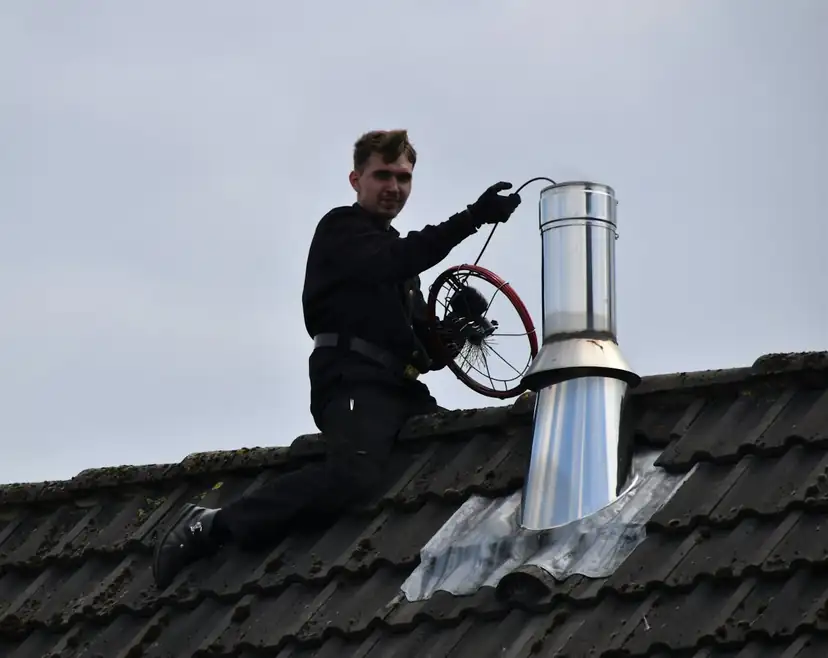
The image most people carry, a soot-streaked figure with a long brush out of a Dickens novel, is charming and badly out of date. Modern sweeping is a methodical, low-mess trade, and in South Florida it looks different again from how it looks up north, because our chimneys fail for different reasons.
The Core Job: Removing What Builds Up Inside the Flue
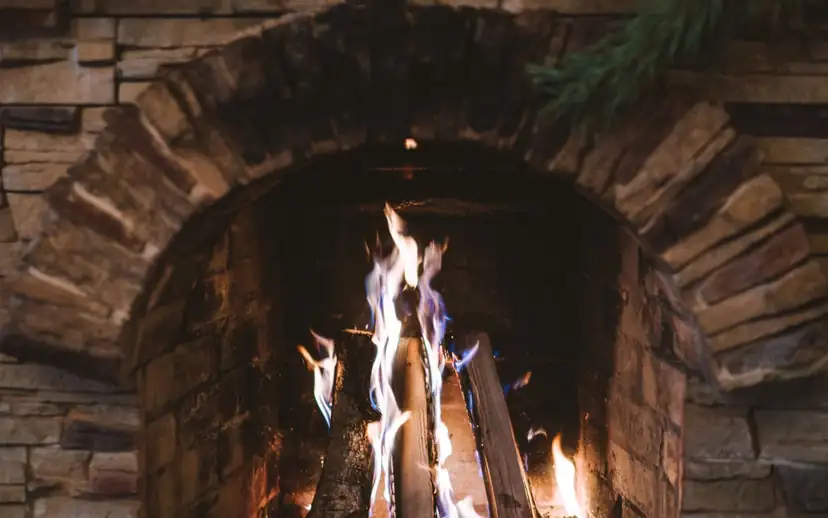
Wood fires can leave deposits. Smoke carries moisture, gases and unburned particles up the flue, and when they hit the cooler surfaces near the top they condense and stick. That residue is creosote, and it is flammable. In its early form it brushes off like soot. Left to accumulate and get reheated, it hardens into a glaze that is difficult to remove and dangerous to leave.
A sweep clears it with brushes and rods sized to your flue, working the full length of the passage rather than just what is reachable from the firebox. Modern practice uses containment and vacuum equipment so the soot ends up in the truck rather than on your floor. A thorough chimney cleaning also covers the smoke chamber and the area above the damper, which is where deposits collect most heavily and where a partial job tends to stop.
The Inspection Most People Do Not Watch
Once the flue is clear, the sweep can actually see it, and this is where the visit earns its value. They are looking at the liner for cracks, gaps and deterioration, at the firebox for damaged brick and failed mortar, at the damper for rust and proper seal, and at the smoke chamber for gaps in the parging.
Then the work moves outside and up. The crown is checked for cracks, the cap for corrosion and secure fastening, the flashing for lifted edges and failed sealant, and the masonry for spalling brick and open mortar joints. In Palm Beach County that exterior half of the visit is often where the real findings are, because our chimneys take far more punishment from weather than from fire.
Diagnosing Problems and Explaining Them Plainly
A good sweep tells you three things: what is fine, what is wearing but not urgent, and what needs attention now. You should finish the visit understanding the condition of your chimney without feeling pushed toward work you do not need. If something needs repair, it should come with a written estimate you can think about on your own schedule.
The findings that come up most often here are water-related. A missing or rusted cap, a cracked crown, lifted flashing, efflorescence staining the brick, or a damper that has corroded until it no longer seals. None of those are caused by burning; all of them are caused by weather.
Why the South Florida Version Is Different
Up north, a chimney's main enemy is what the fire leaves behind and what the cold does to wet masonry. Here it is water and salt, working year round on a chimney that mostly sits idle.
Our masonry rarely dries out. Humidity keeps it damp for most of the year, so water that gets into a joint stays there rather than cycling wet and dry. Near the coast, salt settles on exposed metal components and corrodes them steadily. Material selection should follow the installed system, existing assembly, measured exposure, dimensions, code, manufacturer guidance, and approved project requirements. And during hurricane season, from June 1 through November 30, wind-driven rain can enter joints and laps that ordinary vertical rain may not reach.
There is one more local factor that catches people out. Because many fireplaces here are used only on a handful of cool evenings, damage accumulates unobserved. Nobody notices a cap that blew loose in August until they light a fire in January and the room fills with smoke.
What a Sweep Does Not Do
A chimney sweep is not a roofer, and while they will tell you if your flashing has failed, integrating new flashing with the roof covering is its own trade. They do not service the internals of specific gas appliance brands, though they will check venting and clearances. And a sweep cannot certify a chimney they have not been able to access, which is why roof access and safe working conditions come up.
How Often, and When to Call Sooner
A condition-based inspection is a sensible approach here even for a lightly used fireplace, because most of what goes wrong is weather rather than use. Beyond that, call sooner if you notice any of the following:
- Smoke entering the home; evacuate and call 911 rather than continuing to test the system
- A stain on the ceiling or wall near where the chimney passes through
- A musty or sour smell from the firebox, especially after rain
- Scratching, fluttering or chirping from inside the chimney
- Rust streaks down the exterior, or debris and grit in the firebox
- Anything at all after a named storm
Booking a Visit
If it has been a while, or you have just bought a house and have no idea when the chimney was last touched, that is exactly the situation a sweep visit is for. A qualified chimney sweep will clean what needs cleaning and give you a straight assessment of everything else, and a chimney inspection is the right first step if you suspect a specific problem rather than routine buildup.
If fire or smoke enters the home, a carbon-monoxide alarm sounds, or a chimney fire is suspected, evacuate and call 911. Keep the system out of use and arrange contractor follow-up only after responders clear the property.
For non-emergency chimney or fireplace service in West Palm Beach, call (561) 830-5154 to request a free inspection and written estimate. Request a written estimate with materials, exclusions, and any applicable warranty terms before approving work.
Need chimney or fireplace help in West Palm Beach?
Call with the property ZIP code and a short description of what you see.
Call (561) 830-5154