
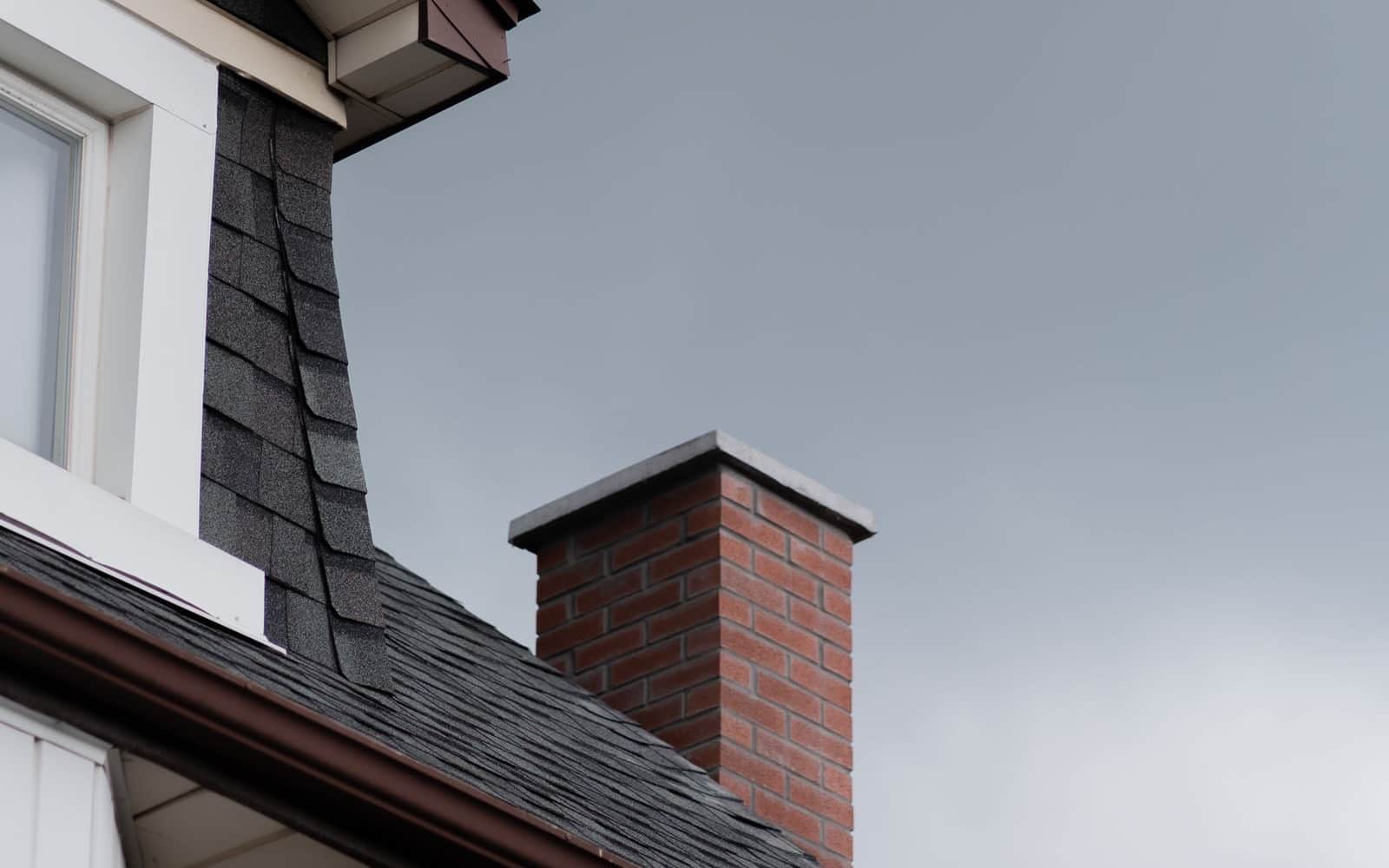
Palm Beach chimneys sit on a Mizner barrier island, not Singer Island
The Town of Palm Beach occupies the Atlantic barrier island between the ocean and Lake Worth Lagoon. The Estate Section, Midtown, and the North End hold 1920s Mizner-era Mediterranean Revival masonry with substantial stucco and clay-tile chimneys. Worth Avenue is the landmark strip; this is not the 1950s ranch stock on Singer Island.
Constant salt-air exposure corrodes metal and weathers ornate mortar. The city name is still not a hardware specification. The free inspection names the assembly and any appearance limits before masonry starts.
Estate masonry usually starts on repair, leak, or a rusted top
Cracked stucco or failed mortar on a Mizner stack belongs on chimney repair in Palm Beach. Rain with no named entry uses Palm Beach leak repair. An unused wood flue uses Palm Beach chimney sweep.
A clay-tile flue that needs a fitted screen is sized on Palm Beach chimney cap installation. A later factory lid uses chase cover repair. Unsound historic masonry uses chimney rebuild.
Narrower Worth Avenue and Estate Section scopes
- Receded joints on sound Mediterranean Revival brick: tuckpointing.
- A failed clay-tile wash: crown repair.
- A sealer only after those defects: waterproofing.
- A size-mismatched historic flue: relining.
- A listed unit that will not light: gas fireplace repair.
- A sale or idle estate fireplace: inspection.
Hold Palm Beach masonry until the written estimate names historic-finish limits, materials, and how extras are approved. For fire, smoke entering the home, or a carbon-monoxide alarm, evacuate and call 911. If gas is suspected in the Estate Section or Midtown, do not use switches, electronics, or flames; leave immediately, then call 911 and the gas utility from outside before any contractor visit.