

The short answer
Using a fireplace with a cracked crown cannot be cleared from crack width alone. The crown may allow water into masonry or conceal damage below, while fireplace safety also depends on the liner, firebox, venting, clearances, and complete system. Keep the system out of use when damage or safety status is uncertain until the appropriate evaluation is complete.
A cracked chimney crown is one of those problems that's easy to ignore. The crown sits at the very top of the chimney, out of sight from the ground, and a hairline crack doesn't make the fireplace stop working. So most homeowners only find out about it during a routine look at the chimney, or after water starts showing up somewhere it shouldn't. The natural question is: can I keep using the fireplace, or do I need to stop until it's fixed? The honest answer depends on how bad the crack is and what it has already allowed to happen below it.
What the Chimney Crown Actually Does
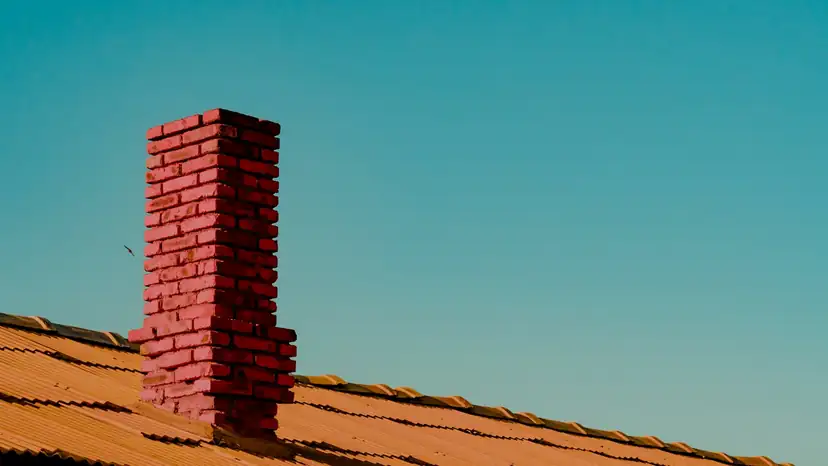
The crown is the solid, sloped slab of masonry that caps the top of a brick or block chimney. It's not the same as the chimney cap (the metal cover over the flue opening). The crown's whole job is to shed water away from the chimney structure, like a small roof. It slopes outward so rain runs off the edges instead of soaking down into the masonry and the gap around the flue liner.
When that slab cracks, it stops doing its one job. Water no longer runs off cleanly. Instead it seeps into the cracks, works its way down between the brick and the flue, and starts a slow chain of damage inside the chimney where you can't see it. In South Florida, where heavy seasonal rain, high humidity, and salt-laden coastal air are constant, that water intrusion happens faster and does more harm than it would in a drier climate.
So Is It Safe to Light a Fire?
A crown crack by itself usually isn't an immediate fire hazard the way a cracked flue liner or a creosote-packed flue is. A small, isolated crack on an otherwise sound chimney is more of a "fix it before it gets worse" issue than a "do not use" emergency. But that's the catch: a cracked crown rarely stays just a cracked crown. It's the entry point for water, and water is what turns a cheap repair into an unsafe chimney.
Here's the chain of trouble a cracked crown can set off:
- Water reaches the flue liner. Repeated wetting and the heat of a fire can stress a clay flue liner until it cracks. A cracked liner is a real safety concern, because it can let heat and combustion gases reach nearby framing and let carbon monoxide leak into the home.
- Mortar and brick deteriorate. Trapped moisture breaks down mortar joints from the inside. Loose, spalling masonry weakens the whole stack.
- Hidden corrosion. Water sitting against the metal damper, cap hardware, or any steel components causes rust. On the coast, salt air accelerates this dramatically.
- Mold and interior staining. Moisture that travels down the chimney shows up as stains on ceilings and walls and creates damp, musty conditions inside the chase.
The safest way to put it: you can sometimes use a fireplace with a minor crown crack in the short term, but you should not assume it's fine without knowing what's happening below the crown. A qualified on-site evaluation is needed to assess that question.
When You Should Stop Using It Right Away
Treat the fireplace as off-limits until it's been checked if you notice any of these alongside the crown crack:
- Water dripping into the firebox or damp odors when it rains
- Stains on the ceiling or wall around the chimney
- Pieces of masonry, tile, or rust flakes falling into the firebox
- Visible cracks inside the flue or a damper that won't seal
- A persistent musty smell, especially in humid weather
Any of these suggests the damage has already moved past the crown and into parts of the system that affect how safely the chimney vents.
How a Cracked Crown Gets Diagnosed
You can sometimes spot crown cracks with binoculars from the ground, but that only tells you the crown is cracked, not how far the water has traveled. A proper chimney inspection looks at the crown, the cap, the flue, the mortar joints, and the firebox together, so you find out whether the crack is purely cosmetic or whether it has already compromised the liner or masonry. That distinction is the whole answer to "is it safe to use", and it is why guessing from the driveway is not enough.
An inspection also catches the things that often travel with crown damage in coastal homes: rusted cap hardware, eroded mortar at the crown-to-flue joint, and early water staining inside the chase.
What Repair Involves
The fix depends on severity. Minor surface cracks can often be sealed with a flexible, weatherproof crown coating that bridges the cracks and restores the water barrier. More extensive cracking, crumbling edges, or failed construction may call for rebuilding the crown with a repair material and geometry selected for the existing assembly, exposure, dimensions, code, manufacturer guidance, and project requirements. Chimney crown repair done correctly also protects everything beneath it, which is why addressing the crown early is often what keeps the much more expensive liner and masonry repairs off your bill later.
If water has already reached the flue or mortar, those issues get addressed as part of the same plan. A good repair restores the crown's water-shedding function and verifies that whatever moisture got in hasn't left an unsafe condition behind.
The Bottom Line for South Florida Homeowners
A cracked chimney crown is not usually a reason to panic, but it is a reason to act. Left alone, it lets water into the one place where water does the most damage, and in our humid, storm-prone, salt-air climate, that can progress before the damage is obvious indoors. Whether it's safe to keep using the fireplace comes down to what the crack has already allowed below it, and that's something you confirm with a look at the full system, not a glance at the top.
If fire or smoke enters the home, a carbon-monoxide alarm sounds, or a chimney fire is suspected, evacuate and call 911. Keep the system out of use and arrange contractor follow-up only after responders clear the property.
For non-emergency chimney or fireplace service in West Palm Beach, call (561) 830-5154 to request a free inspection and written estimate. Request a written estimate with materials, exclusions, and any applicable warranty terms before approving work. Review chimney crown repair for service details.
Need chimney or fireplace help in West Palm Beach?
Call with the property ZIP code and a short description of what you see.
Call (561) 830-5154