

The short answer
Chimney damper problems can involve corrosion, deformation, debris, damaged linkages, incompatible parts, or water entry from elsewhere. A stuck, leaking, or poorly sealing damper does not identify the source by itself. Do not force or modify the control. Follow the installed system's instructions and keep the fireplace out of use when venting or safe operation is uncertain.
The damper is one of the smallest moving parts in your chimney, but when it stops working it causes some of the worst headaches: cold drafts pouring down the flue, conditioned air leaking out, water dripping into the firebox, or a fireplace you simply can't use safely. If your damper is stuck open, won't close, won't open, or seems to be the source of a leak, the good news is that most of these problems are well understood and fixable. The key is figuring out why the damper is misbehaving before you start forcing handles or chains.
What a Chimney Damper Actually Does
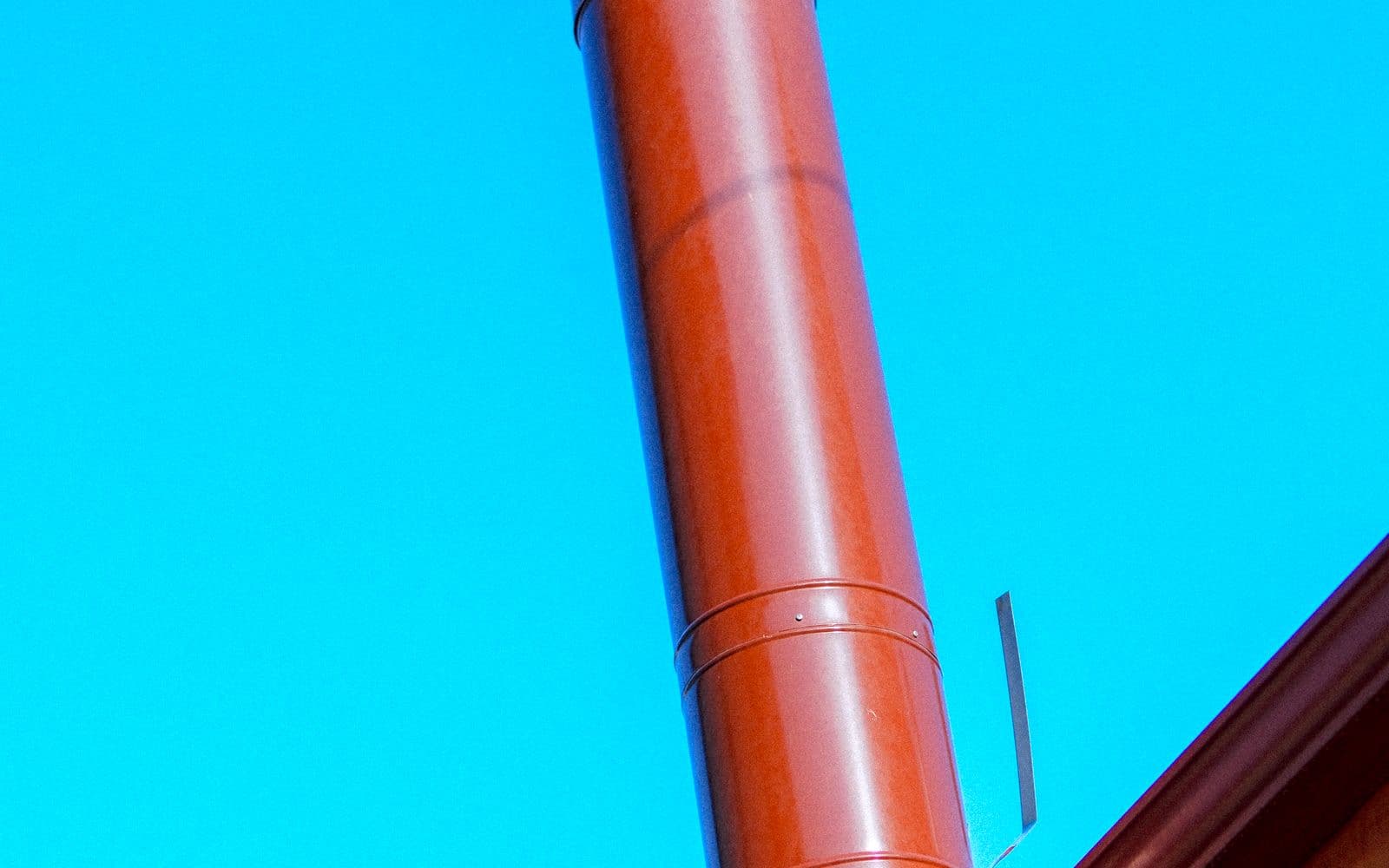
A damper is a hinged or sliding metal plate that seals the flue when the fireplace isn't in use and opens to let smoke and combustion gases escape when you light a fire. There are two common types. A throat damper sits just above the firebox and is operated by a handle, knob, or poker. A top-sealing (top-mount) damper sits at the very top of the chimney and is controlled by a stainless cable that runs down the flue to a mounting bracket inside the firebox; it seals with a rubber gasket, much like a storm door.
When the damper works, it does two jobs at once: it provides a clear path for smoke during a fire, and it forms a barrier against drafts, animals, and rain when the fire is out. When it fails, you lose one or both of those functions.
Why Dampers Get Stuck or Stop Sealing
Most damper failures trace back to a handful of causes, and in a humid, salt-air climate like South Florida's humidity and salt exposure may contribute to corrosion or sticking components.
- Rust and corrosion. Cast-iron and steel throat dampers corrode where moisture collects. A rusted hinge or seized track is a frequent reason a damper won't budge.
- Creosote and soot buildup. Years of wood-burning leave sticky deposits that glue the damper plate to its frame.
- Warping from heat. Repeated high-heat fires can warp a thin metal plate so it no longer seats flat, leaving gaps even when "closed."
- Debris and nesting material. Leaves, twigs, and animal nests can jam the mechanism, especially when a chimney has no cap.
- Broken hardware. Snapped chains, stripped handles, bent rods, or a frayed top-damper cable will leave the plate frozen in whatever position it last held.
Stuck open
A damper stuck open is the most expensive failure to ignore. It leaves a direct opening to the exterior, which can increase unwanted air exchange. You may notice higher energy bills, a persistent draft near the hearth, or a cold spot in the room. Causes are usually rust, a broken closing mechanism, or warping that prevents a full seal.
Won't close (or won't seal tightly)
Sometimes the damper moves but won't seat. Run a flashlight up the throat: if you see daylight or a visible gap around the edges, the plate is warped, the frame is corroded, or debris is wedged in the seat. A throat damper that can't seal is often best replaced with a top-sealing damper, which gaskets shut at the top of the flue and seals far more tightly.
Stuck closed or won't open
This one is a genuine safety issue. Do not light a fire to "test" whether the damper opened. If the flue is blocked, smoke and carbon monoxide have nowhere to go but back into the room. If the handle won't move or moves with no effect, stop and have it inspected.
Damper Leaks: When Water Is the Real Problem
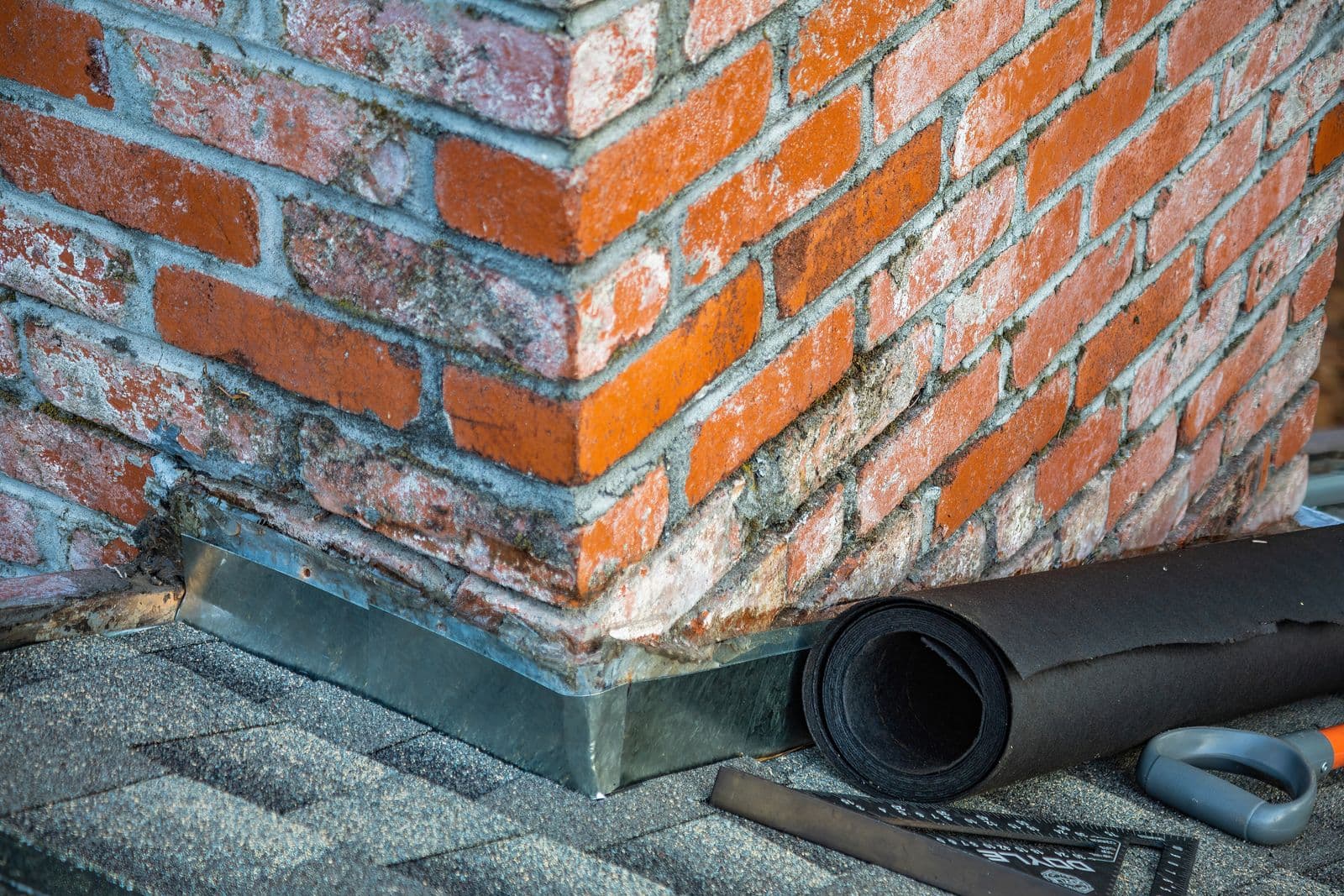
People often blame the damper for water in the firebox, but the damper is usually a symptom, not the source. Rain that reaches the damper has already gotten past the parts that are supposed to keep it out. The usual culprits are a missing or damaged chimney cap, a cracked crown (the concrete slab at the top of the chimney), or failed flashing where the chimney meets the roof. Standing water then pools on the damper, rusting it from above and dripping into the firebox.
That's why "the damper leaks" is rarely solved by replacing only the damper. A proper chimney inspection looks at the whole rain-management system, top to bottom, so the actual entry point gets sealed. A compatible cap, sound crown, and intact flashing should be evaluated together against the installed system, measured exposure, dimensions, code, and manufacturer guidance.
Quick Checks You Can Do Safely
Before calling anyone, a few low-risk checks can help you describe the problem:
- With the fire out and cold, shine a light up the throat and look for the plate. Can you see whether it's open or closed?
- Gently try the handle or chain. If it resists, don't force it; forcing a corroded damper often snaps the hardware.
- Look for daylight, rust streaks, or debris around the plate.
- Hold a tissue near the open firebox on a windy day. If it flutters strongly with no fire, the damper isn't sealing.
What to avoid: prying with screwdrivers, spraying random lubricants, or burning a fire to free a jam. These either damage the mechanism or create a real carbon-monoxide hazard.
Repair, Adjust, or Replace?
The right fix depends on the failure. Light surface rust or soot on an otherwise sound throat damper can sometimes be cleaned and freed. Bent or stripped hardware can be replaced without touching the plate. But a warped plate, a corroded frame, or a damper that no longer seals adequately is usually a replacement job, and many homeowners take that opportunity to upgrade to a top-sealing damper for a tighter seal and easier operation.
Because the damper sits at the intersection of airflow, heat, and water, damper trouble is frequently bundled with related chimney repair work: a new cap to stop debris and rain, crown sealing to stop water from pooling above, or flashing repair to stop roof-line leaks. Fixing the damper alone, while ignoring why it rusted, just resets the clock until it happens again.
Don't Let a Small Part Cause Big Damage
A failing damper quietly drives up energy costs, invites moisture and animals, and in the worst case blocks a flue you're about to light. Catching it early keeps the repair small.
If fire or smoke enters the home, a carbon-monoxide alarm sounds, or a chimney fire is suspected, evacuate and call 911. Keep the system out of use and arrange contractor follow-up only after responders clear the property.
For non-emergency chimney or fireplace service in West Palm Beach, call (561) 830-5154 to request a free inspection and written estimate. Request a written estimate with materials, exclusions, and any applicable warranty terms before approving work. Review chimney repair for service details.
Water showing up around your chimney? Find the likely source
Five questions about where the water shows up and when it shows up, and it narrows the list to the part that is letting it in.
Need chimney or fireplace help in West Palm Beach?
Call with the property ZIP code and a short description of what you see.
Call (561) 830-5154