

The short answer
A chimney chase is the framed, hollow box that conceals and supports a factory-built metal fireplace and the flue pipe running up through it, usually wood framing wrapped in siding or stucco. It matters because that framing is wood. Once the metal cover on top starts leaking, water reaches structure that cannot dry out.
If you have a prefabricated (factory-built) fireplace rather than a traditional brick chimney, the tall vertical box rising from your roofline is called a chimney chase. It is used on many newer West Palm Beach homes, yet the enclosure and its weather-protection details are easy to overlook. Understanding the chase, and the parts that protect it, can save you from water damage, costly rebuilds, and an unusable fireplace.
What Exactly Is a Chimney Chase?
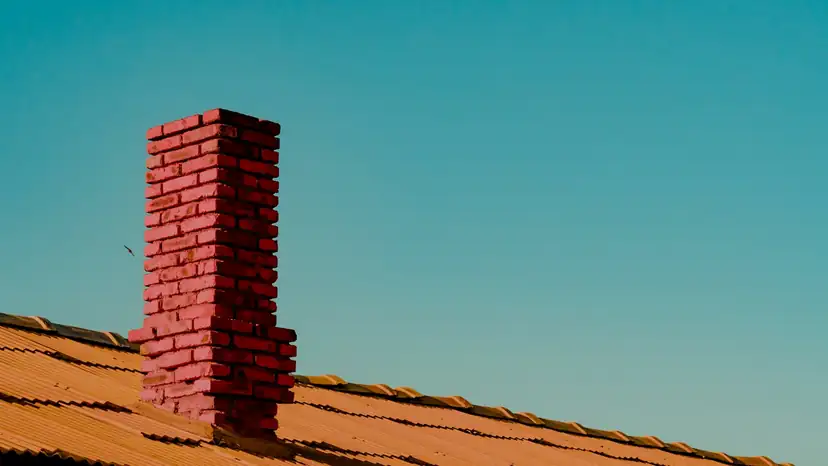
A chimney chase is a framed, hollow enclosure built to conceal and support a factory-built metal fireplace and its flue pipe. Instead of stacked brick and mortar, the chase is typically constructed from wood framing wrapped in siding, stucco, or another exterior cladding that matches the rest of the house. From the curb it looks like a chimney, but inside it's essentially a vertical chase, a shaft, that the metal venting runs up through to carry smoke and combustion gases safely above the roof.
Many Palm Beach County homes built in recent decades use prefabricated fireplace systems with framed chimney chases. They're popular with builders because they're lighter and faster to install than a full masonry stack. The tradeoff is that a chase relies entirely on a few protective components to keep weather out, and when those components fail, the damage can move quickly into the framing inside.
The Key Parts of a Chase
A chimney chase depends on compatible components that seal and finish the enclosure. The main components include:
- The chase cover: A metal lid that caps the top of the chase, sloped so rain runs off rather than pooling. It has openings for the flue pipe to pass through.
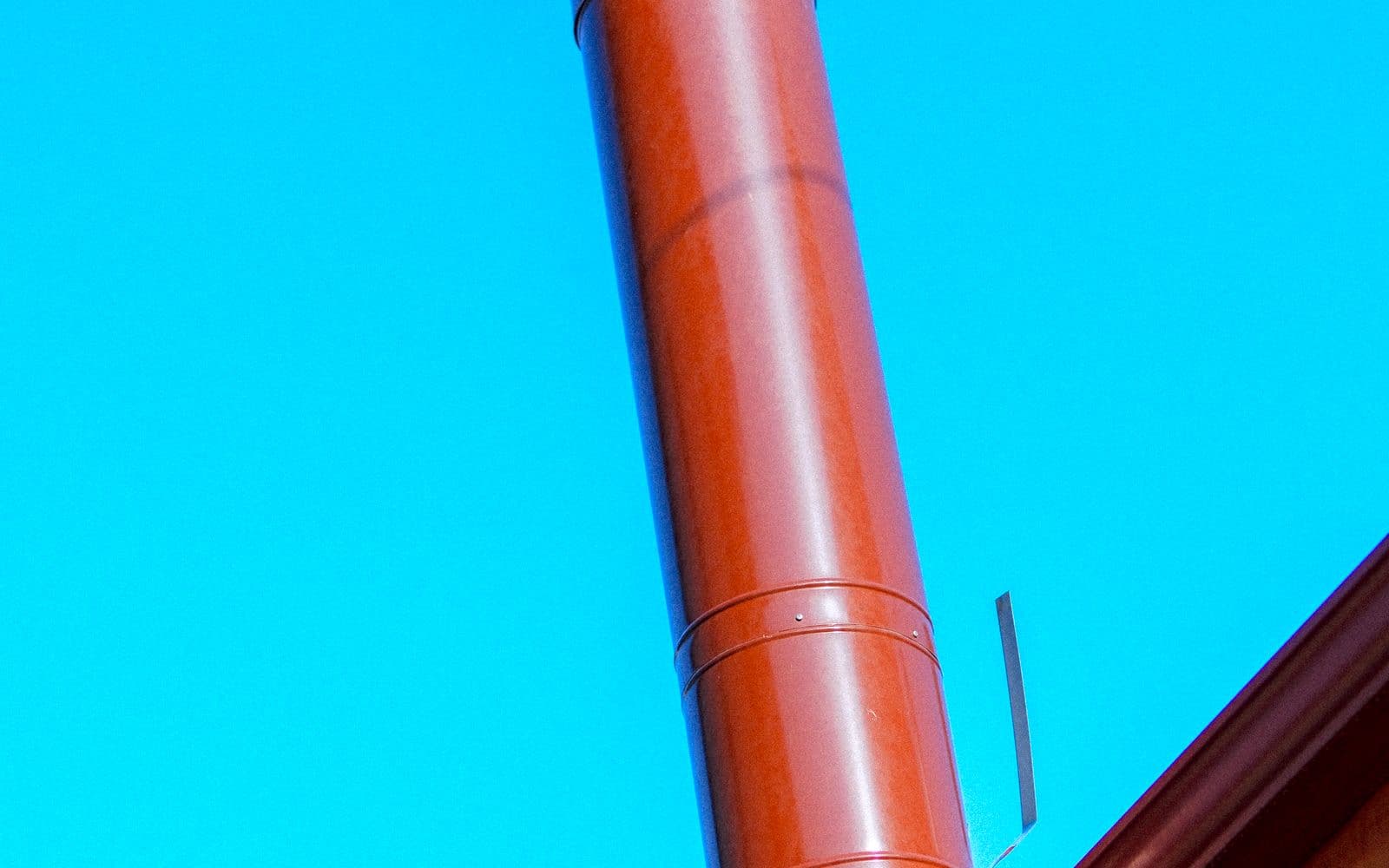
- The flue and storm collar: The metal venting that carries exhaust upward, plus the collar and sealant that keep water from running down the pipe into the chase.
- The chase cover skirt and caulk joints: The sealed seams where the cover meets the chase walls.
- The exterior cladding: The stucco, siding, or trim that protects the wood framing underneath.
The chase cover does the heavy lifting. Think of it as the roof for your chimney, the main barrier between South Florida weather and the wood structure inside.
Why the Chase Matters So Much in South Florida
A chimney chase sits in a fully exposed location above the roofline. It's fully exposed to sun, salt-laden coastal air, driving rain, and hurricane-force winds. Three local factors make chase maintenance especially important here:
Constant Moisture and Humidity
West Palm Beach sees heavy seasonal rain and year-round humidity. A chase cover that's rusting, dented, or poorly sealed lets water seep into the framing. Because the chase is hollow and may have limited airflow, retained moisture can contribute to rot, microbial growth, and corrosion before a homeowner notices an interior symptom.
Salt Air and Corrosion
Homes near the coast face accelerated corrosion. A galvanized chase cover may corrode more quickly under sustained salt and moisture exposure. Material selection should follow the installed system, existing assembly, measured exposure, dimensions, code, manufacturer guidance, and approved project requirements.
Hurricane and Storm Loads
High winds can lift or loosen a chase cover and tear at cladding, opening gaps that let wind-driven rain pour in during a storm. After significant weather, impact, visible movement, or water entry, use the observed condition and system guidance to decide whether the chase needs evaluation.
Warning Signs Your Chase Needs Attention
Chase problems can remain hidden until water finds its way inside. Watch for these signs:
- Rust streaks or staining running down the exterior of the chase
- Standing water or a sagging, dished chase cover after rain
- Water stains on the ceiling or wall near the fireplace
- A musty smell coming from the firebox
- Peeling, cracking, or bubbling stucco or paint on the chase
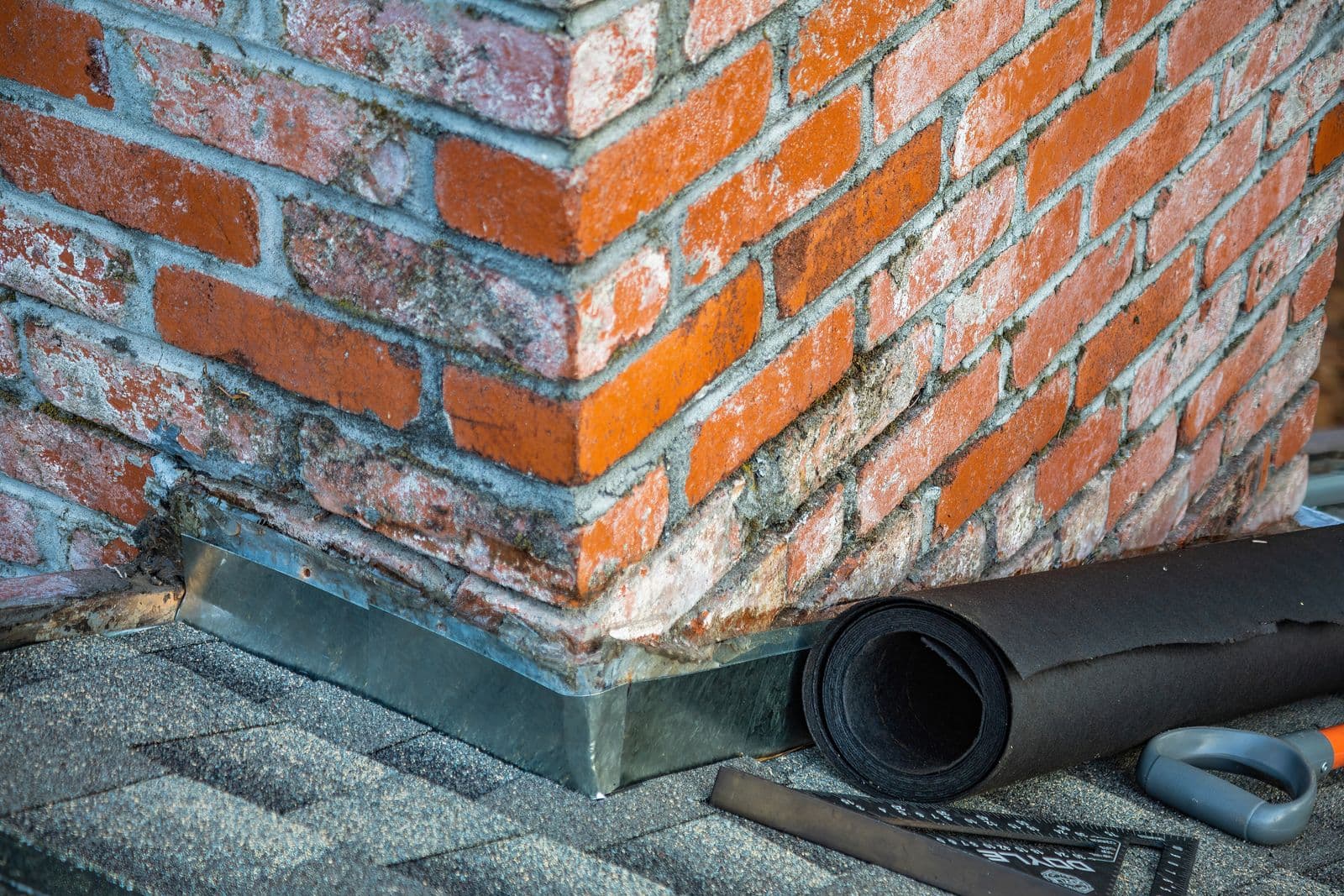
- Visible gaps, lifted seams, or failed caulk where the cover meets the walls
- Rusty drips or debris inside the firebox
If you spot any of these, request an on-site assessment that considers the cover, seams, cladding, flashing, venting, and accessible framing. When the cover is the diagnosed entry path, a scoped chimney chase cover repair may reduce further water entry; concealed damage and other paths require separate findings.
What Happens If You Ignore It
When a chase cover fails and water gets in, the damage compounds. The wood framing absorbs moisture and begins to rot, losing the structural strength that holds the chase upright. The metal firebox and flue can corrode, which is a safety concern for any working fireplace. Insulation packs down and stops doing its job. Left long enough, what would have been a straightforward cover replacement turns into reframing, re-cladding, and rebuilding sections of the structure. Depending on documented damage and the listed fireplace system, the scope may extend to framing, cladding, venting, or a chimney rebuild.
This is why the chase cover matters: it is one part of a larger weather-management assembly, and its condition should be considered with seams, cladding, flashing, venting, and concealed framing.
Keeping Your Chase in Good Shape
Protecting a chimney chase comes down to a few habits. Use visible changes, water entry, corrosion, significant weather, prior findings, and manufacturer guidance to decide when the cover and seams need evaluation. Address documented defects before they allow further water entry. When replacement is supported by the findings, select material from the installed system, measured exposure, compatibility, dimensions, fabrication, fastening, code, manufacturer guidance, maintenance, and written warranty terms. And keep an eye on the interior cladding, since cracked stucco can be a visible hint that something behind it needs evaluation.
A chimney chase is easy to overlook precisely because it's quietly doing its job most of the time. But in our humid, salty, storm-prone climate, that quiet structure is working hard, and it depends on a few small parts staying intact.
Get a Professional Look at Your Chase
If you already know the chase itself is sound and it is the metal lid on top that has started rusting, the specifics of that job are covered in chase cover replacement, warning signs and what drives the cost.
For non-emergency chimney or fireplace service in West Palm Beach, call (561) 830-5154 to request a free inspection and written estimate. Request a written estimate with materials, exclusions, and any applicable warranty terms before approving work. Review chimney chase cover repair for service details.
Need chimney or fireplace help in West Palm Beach?
Call with the property ZIP code and a short description of what you see.
Call (561) 830-5154