

The short answer
Chimney chase cover replacement cost factors include the cover dimensions, number and shape of penetrations, specified metal, fabrication, seams, fasteners, roof access, removal, and concealed damage. Rust, standing water, a sagging center, or rust streaks can support an evaluation, but replacement scope and material should follow the installed system and observed condition.
If you own a prefabricated or factory-built fireplace in West Palm Beach, the metal lid on top of your chimney is doing more work than you might think. That lid is called a chase cover, and along the Palm Beach County coast it takes a daily beating from salt air, humidity, and driving rain. When it fails, water finds its way straight into your chimney chase. Knowing what a chase cover replacement costs and how to spot the warning signs early can save you from a much larger, more expensive water-damage repair down the road.
What Is a Chimney Chase Cover?
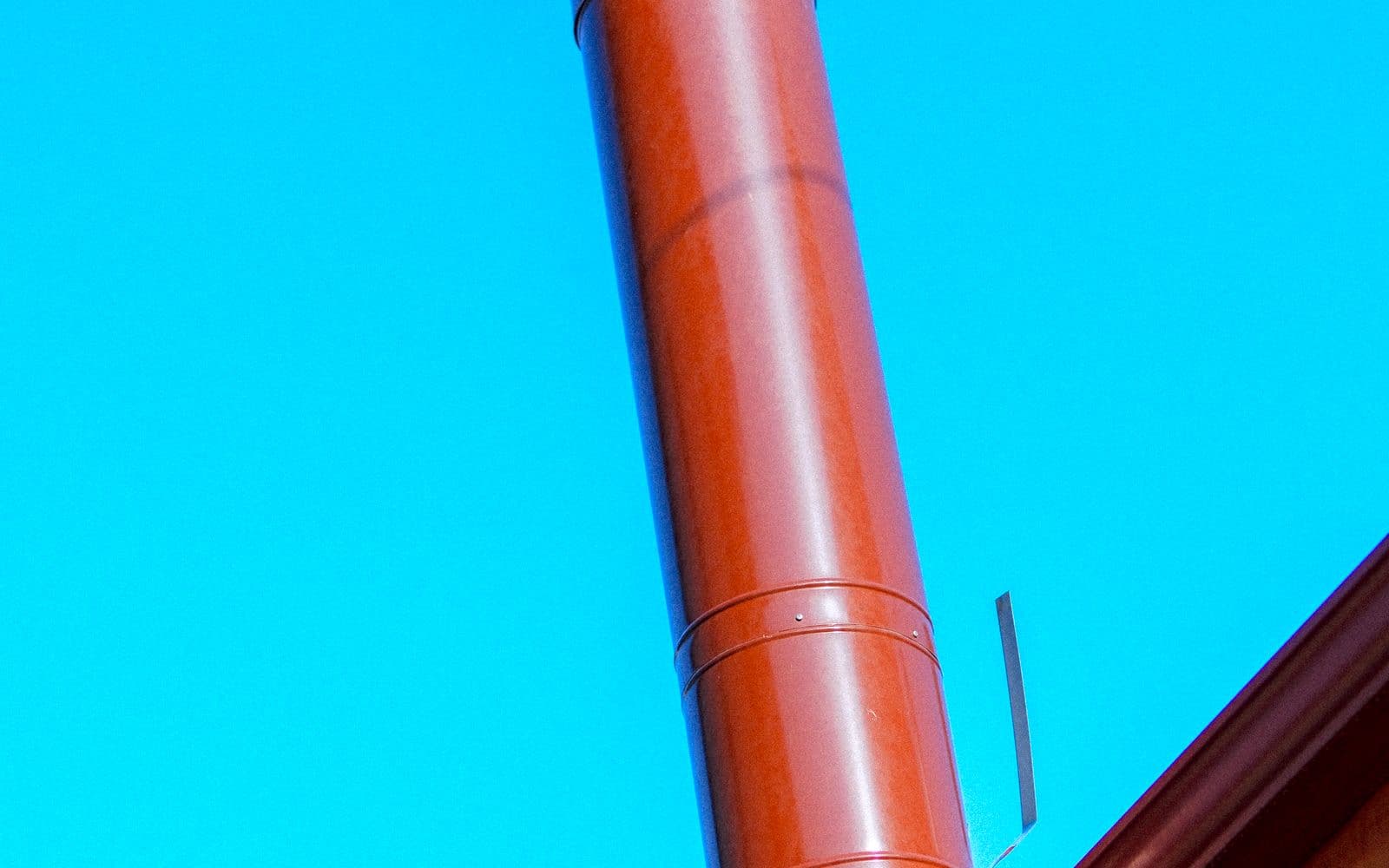
A chase cover is the flat or sloped metal cap that seals the top of a chase, the boxed wooden frame that surrounds a factory-built metal chimney. Think of it as the roof for your chimney. It keeps rain, leaves, and animals out while letting the flue pipe pass through. People often confuse it with a chimney cap, but the cap is the smaller hood over the flue opening itself. The chase cover is the larger sheet of metal that covers the entire top of the chase.
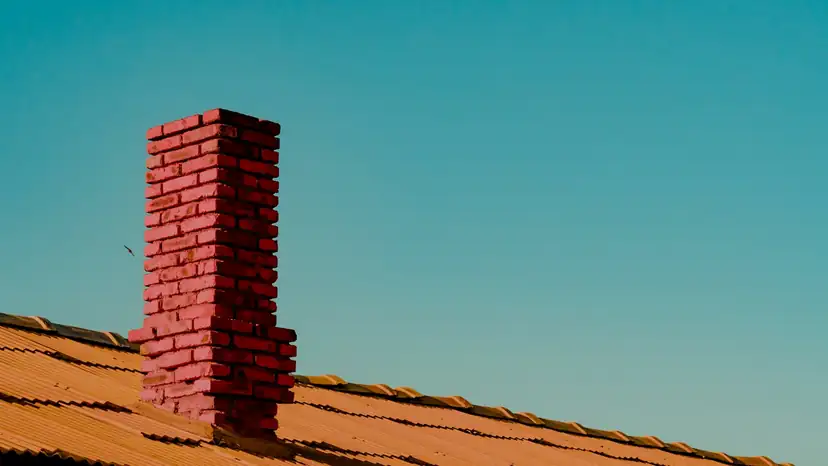
On masonry chimneys, the equivalent component is a concrete or mortar crown. On the factory-built systems common in many West Palm Beach homes, it is a metal chase cover, and the material it is made from determines how long it lasts in our climate.
Warning Signs Your Chase Cover Needs Replacement
Most chase covers fail gradually, so the early signs are easy to miss until water shows up indoors. Watch for these red flags:
- Rust stains running down the chase. Orange or brown streaks on the siding below the cover are the clearest tell. They mean the metal is corroding and rust water is washing down the exterior.
- Standing water or pooling on top. A flat or sagging cover that holds water will rust through far faster. Covers should be sloped to shed rain.
- Visible holes, pinholes, or cracks. Once the metal is perforated, rain can send water directly into the chase and onto the wood framing.
- Loose, missing, or failed caulk seams. The seal around the flue penetration is a common entry point once it dries out and cracks in the Florida sun.
- Water stains on the ceiling or wall near the fireplace. This often points to a chase cover or flashing problem rather than the roof itself.
- A musty smell or damp drywall around the firebox. Hidden moisture inside the chase is a sign water has been getting in for a while.
If you are seeing interior moisture, the cover may be only part of the problem. A proper inspection should also rule out flashing and other entry points, which is where a thorough chimney leak repair evaluation comes in.
Why Coastal West Palm Beach Is Harder on Chase Covers
The main enemy of a chase cover in Palm Beach County is salt. Salt-laden air accelerates corrosion dramatically, which is why the same cover can perform differently as salt, moisture, fabrication, coating, fasteners, maintenance, and exposure change. Add year-round humidity, intense UV exposure, and hurricane-season downpours, and a builder-grade cover simply does not hold up the way it would in a drier climate.
For coastal homes, compare the exact metal or coating, corrosion data, fabrication, seams, fasteners, compatibility, measured exposure, maintenance, and warranty terms. Material selection should follow the installed system, existing assembly, measured exposure, dimensions, code, manufacturer guidance, and approved project requirements. Up-front price does not establish service life or total value; compare the complete specification, exposure, installation, maintenance, and written warranty terms.
Chase Cover Replacement Cost Factors
Replacement cost depends on a few main factors: the size of the chase, the material you choose, the slope and number of flue openings, and how accessible your roof is. As a general guide for the West Palm Beach area:
- Galvanized or aluminum covers: compare initial price with the exact coating, fabrication, fasteners, compatibility, maintenance requirements, measured exposure, and written warranty terms.
- Stainless steel covers: compare the verified alloy, seams, fabrication, fasteners, compatibility, exposure, maintenance requirements, and written warranty terms; geography alone does not select the material.
- Custom-fabricated covers: price and scope depend on measured dimensions, flue openings, design, material, access, attachment requirements, and project conditions.
Repair or Replace?
If the metal is intact and the problem is limited to failed sealant or minor surface issues, a repair may be enough. Once the cover has rusted through, developed multiple pinholes, or is holding standing water, replacement is the smarter long-term move. A patch may not address perforation, failed seams, standing-water geometry, or concealed damage, so the written scope should state why repair or replacement is appropriate.
One important note for our area: when a chase cover has been leaking for a while, the damage often extends beyond the metal itself. Rotted framing or soaked drywall needs to be addressed alongside the new cover, which is why an on-site assessment should document both the cover and accessible related damage.
Protect Your Chimney Before the Next Storm
If you are not certain your fireplace is the factory-built kind this applies to, start with what a chimney chase is and why it matters, which explains the structure the cover sits on.
For non-emergency chimney or fireplace service in West Palm Beach, call (561) 830-5154 to request a free inspection and written estimate. Request a written estimate with materials, exclusions, and any applicable warranty terms before approving work. Review chimney chase cover repair and replacement for service details.
Need chimney or fireplace help in West Palm Beach?
Call with the property ZIP code and a short description of what you see.
Call (561) 830-5154