

The short answer
Chimney repair is the right call while the masonry is still sound and the fault sits in a component: a crown, a cap, flashing, mortar joints, a few brick faces. Replacement becomes the answer once the structure itself has gone, which shows up as a leaning stack, brick failing through its depth, or cracks crossing courses.
Repair your chimney when the structure is sound and the damage is confined to components or the surface: mortar joints, a crown, a cap, flashing, a few spalled bricks. Replace it, in whole or in part, when the masonry itself has failed, meaning a leaning stack, brick crumbling through its full depth, or cracks that run through the structure rather than across its face.
That line is clearer than most homeowners expect, and the decision should be supported by documented condition and scope. What makes the decision feel confusing is that both jobs start with the same symptoms, and only one of them requires taking the chimney down. Here is how to tell which side of the line you are on.
What the Two Words Actually Mean
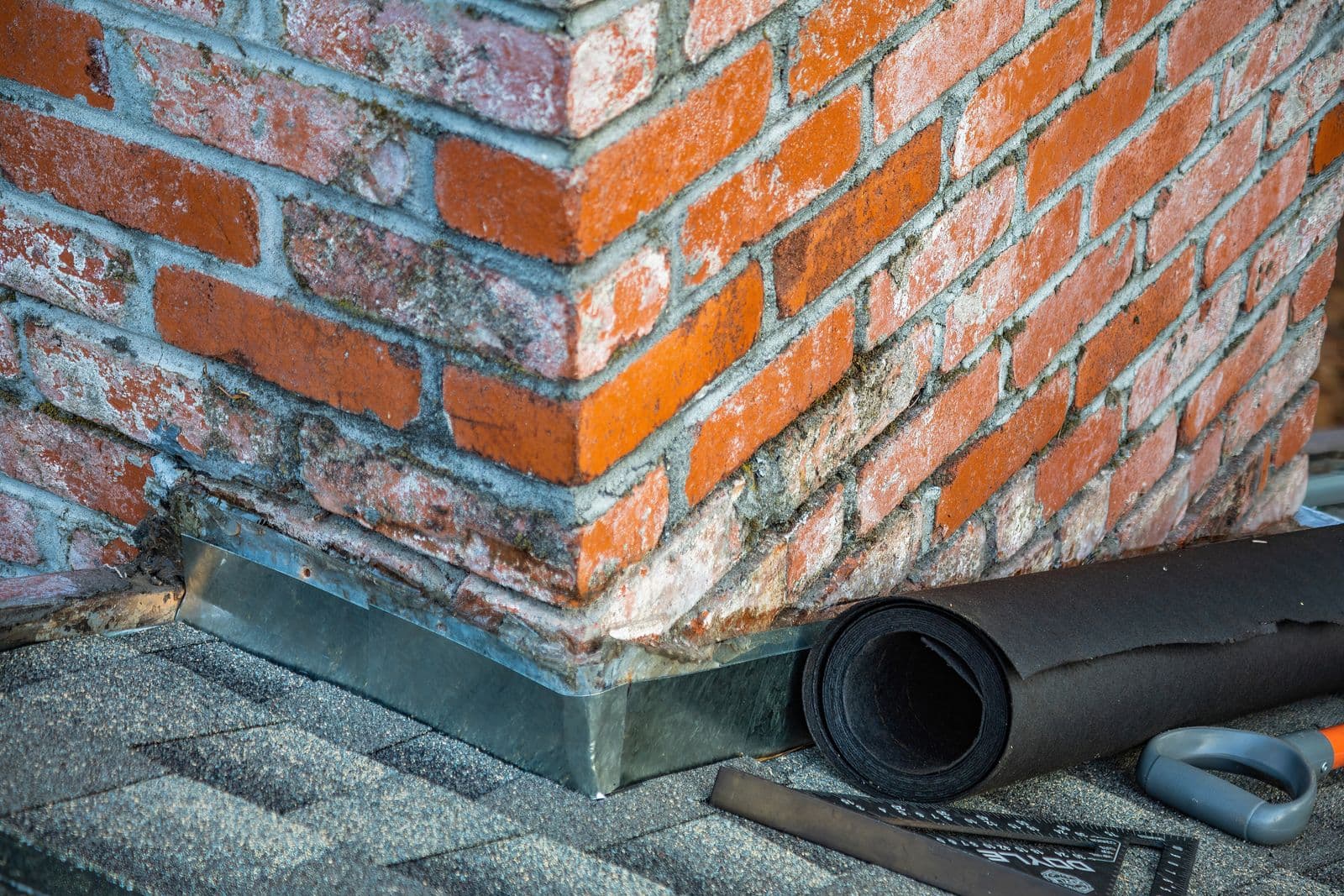
Repair means fixing or replacing parts while the chimney stays standing. Repointing failed mortar joints, rebuilding a cracked crown, replacing a corroded cap, re-integrating flashing, patching localized spalling, relining a flue. The structure is not disturbed.
Replacement, which contractors usually call a rebuild, means dismantling some or all of the chimney and building it back. A partial rebuild takes down the portion above the roofline, which is the most weather-exposed part and often the first to fail. A full rebuild goes further down and is reserved for genuine structural failure.
Most homeowners who fear they need a rebuild need a repair. But the reverse mistake is more expensive: repeatedly repairing a chimney that has structurally failed means paying several times for work that will not hold.
The Signs That Point to Repair
- Deteriorated mortar joints with sound brick. If the brick is solid and only the mortar is receding, repointing restores the chimney's ability to shed water. Mortar is meant to fail first.
- A cracked or spalling crown. The slab at the top takes the brunt of sun, rain and wind-driven storm water. A fresh crown poured with a compatible repair material selected for the existing assembly and exposure can add years without touching the brick below.
- Leaks traced to flashing. Water at the ceiling near the chimney is very often a flashing problem, not a chimney problem. Re-integrating the flashing solves it.
- A rusted or missing cap. This often calls for a focused replacement, with material selected from the installed system, measured exposure, compatibility, dimensions, fabrication, fastening, code, and manufacturer guidance.
- Localized spalling. A handful of failed brick faces can be cut out and replaced, provided you also stop the water that caused them.
- A damaged liner in sound masonry. Relining is a repair, not a rebuild, and it does not require touching the exterior structure.
The Signs That Point Toward Replacement
- A visible lean, bulge or twist. Any deviation from vertical means the structure has moved. This is not cosmetic and it does not stabilize on its own.
- Brick crumbling all the way through. Spalling that has gone past the face into the body of the brick means the material itself is spent.
- Widespread mortar loss over the whole stack. When there is nothing sound left to point into, repointing has nothing to bond to.
- Cracks that run through the structure. Stepped cracks following the joints, or vertical cracks through brick, suggest movement or foundation issues rather than surface wear.
- Repairs that keep failing. If the same section has been patched more than once and keeps coming back, the underlying material is the problem.
- Fire damage. A chimney fire can compromise masonry and liner together, and heat damage is not generally visible from outside.
Three Questions That Usually Decide It
Is the damage on the surface or through the material?
Surface damage is a repair. Damage through the depth of the brick and mortar is a rebuild. This is the most useful distinction, and it is why a contractor will probe joints rather than judge from the driveway.
How much of the chimney is affected?
Isolated damage in one area points to repair. Deterioration spread across the whole stack points to a rebuild, because patching one section of a uniformly failed structure just moves the problem.
Where is the damage relative to the roofline?
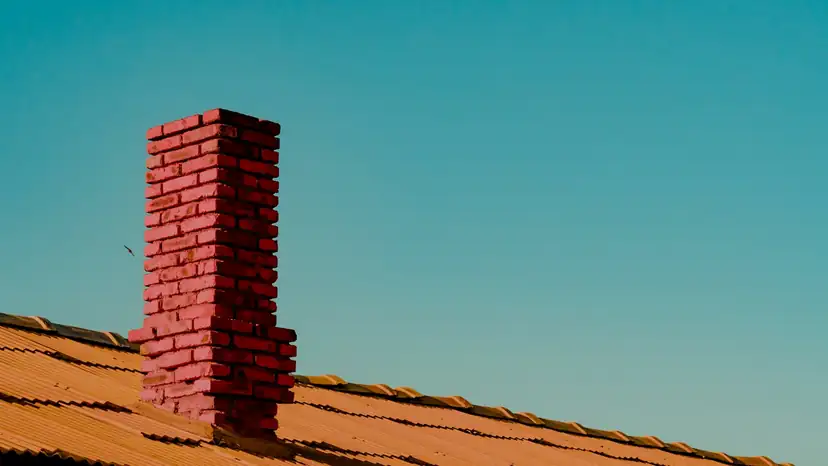
The portion above the roof is directly exposed to weather. When damage is limited to that section, a partial rebuild may be considered as a defined scope. Damage below the roofline is less common and more serious, because that masonry is sheltered and should not be failing.
The Climate Factor Nobody Accounts For
In Palm Beach County, the calculation shifts in one specific way: whatever you do, it has to survive salt, saturation and storms. Our masonry rarely dries out, because humidity keeps it damp for most of the year, so water that gets into a joint keeps working rather than cycling wet and dry. Near the coast, salt crystallizes inside the pores of brick and pushes it apart, and it corrodes exposed metal components on the chimney.
Material selection should follow the installed system, existing assembly, measured exposure, dimensions, fabrication, fastening, code, manufacturer guidance, and approved project requirements. Different alloys and repair mortars have different properties, but no single material is required by geography alone.
It also means a repair done before hurricane season is worth more than the same repair done after it. Wind-driven rain can enter vulnerable joints that vertical rain may not reach.
The Safest Way to Decide
Almost none of this can be judged accurately from the ground, and the two most decisive pieces of evidence, the condition of the crown and the depth of the mortar loss, both require getting up there. A chimney inspection tells you which category you are in and, just as importantly, rules out the more expensive one when it does not apply.
Be wary of anyone who recommends a full rebuild without having examined the joints, and equally wary of anyone who keeps selling patches for a chimney that is moving. A straight answer should come with reasoning you can follow.
If fire or smoke enters the home, a carbon-monoxide alarm sounds, or a chimney fire is suspected, evacuate and call 911. Keep the system out of use and arrange contractor follow-up only after responders clear the property.
For non-emergency chimney or fireplace service in West Palm Beach, call (561) 830-5154 to request a free inspection and written estimate. Request a written estimate with materials, exclusions, and any applicable warranty terms before approving work. Review chimney repair for service details.
Need chimney or fireplace help in West Palm Beach?
Call with the property ZIP code and a short description of what you see.
Call (561) 830-5154