



A rebuild in Greenacres starts by marking what can remain. Free inspection, then a written scope before demolition.
This page also covers the local spelling Green Acres; call with the full address to confirm route coverage.
When a Greenacres stack is past a patch
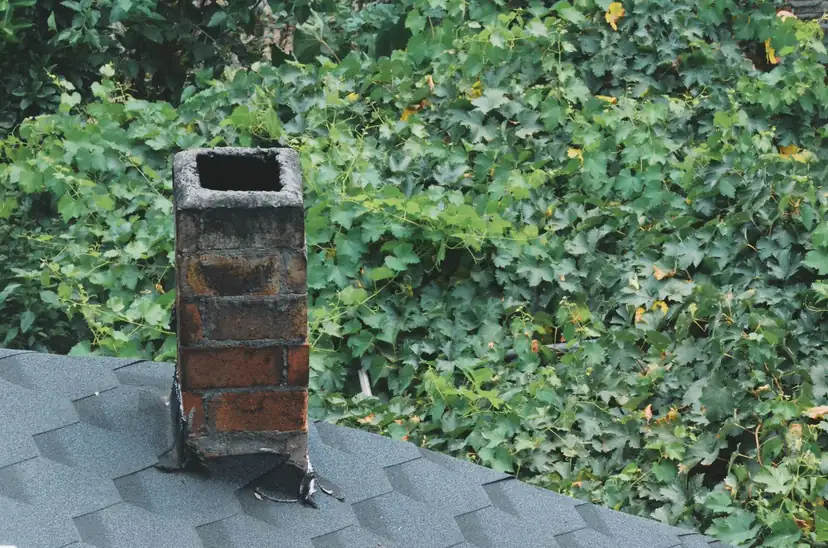
A rebuild in Original Greenacres is a demolition decision, not a default. The 1960s and 1970s block ranches along Lake Worth Road often have a short stucco chimney that can be repaired at the crown or the shoulder. We propose taking masonry down only when the inspection shows the flue tiles are collapsed, the brick is spalled through, or the chase framing under the stucco is soft. A later house toward Jog Road may not have masonry at all. If the roof carries a factory fireplace enclosure, replacing that enclosure is a different scope from rebuilding a brick stack, and we will say so before anyone orders material.
Shingle roofs on the older streets and barrel tile on the infill subdivisions change the protection plan. Tile has to be lifted and stacked, not walked. The written estimate names how much of the chimney comes down, what is rebuilt, how the roof is covered overnight, and which trades are excluded. You approve that paper after the free inspection. We do not publish a citywide rebuild figure, because height and access on a carport lot are not the same as a two-story tile roof on Forest Hill Boulevard.
How the Greenacres rebuild visit is organized
Send the free estimate form with the address, a note if the fireplace is gas or wood, and whether a pool cage blocks the eaves. The free inspection measures the stack, photographs the failed courses, and checks whether a liner can stay. If the damage is only a lid or a crown, we stop and point you to that narrower repair instead of selling a rebuild. County rebuild context is on chimney rebuild. The city hub is Greenacres.
Green Acres is the spelling some owners still use. The house we inspect is the one on the form, in the original section or the later subdivisions, and the scope follows that roof.