

The short answer
Repair a chimney crown while the slab is still sound and the damage is limited to hairline or narrow cracks a flexible crown coating can bridge. Rebuild it once the slab is broken through, sections are missing, it has no overhang past the brick, or it was poured tight against the flue tiles with no expansion joint.
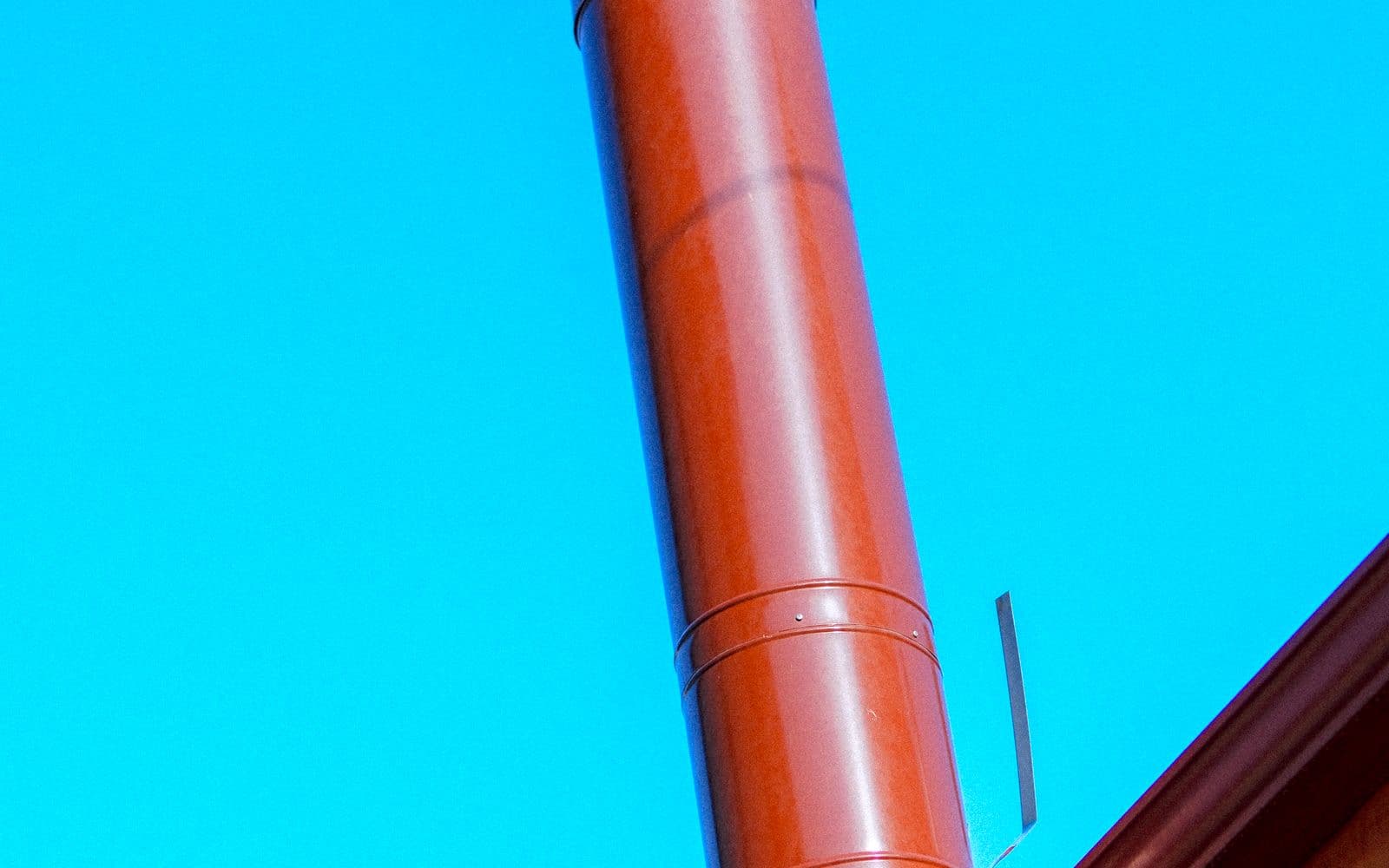
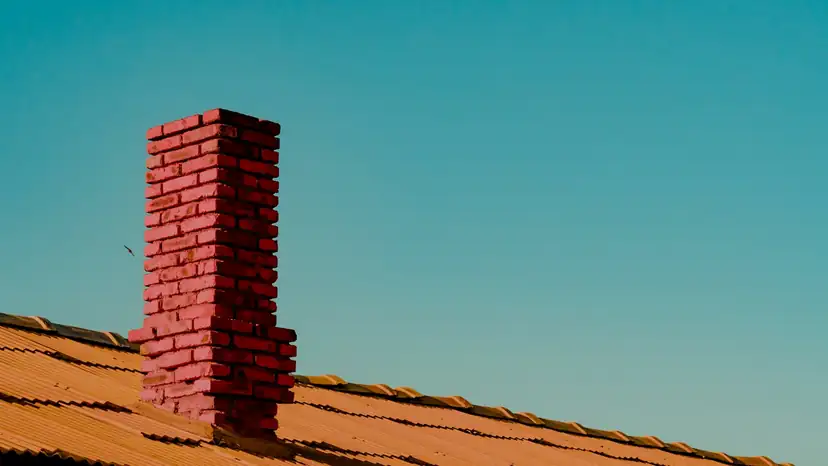
The chimney crown is the flat, sloped slab of mortar or concrete that caps the top of your masonry chimney. It sits above the masonry and is directly exposed to West Palm Beach weather, while early defects may be difficult to see from the ground. When it starts to fail, the question is rarely "should I fix it" and often "is a repair enough, or do I need a rebuild?" Getting that call right saves you money and keeps water out of the structure below.
In Palm Beach County, crowns may face more persistent moisture and wind-driven rain than crowns in some drier climates. Salt air off the Atlantic, near-constant humidity, daily thermal swings, and the wind-driven rain of hurricane season all attack the same slab. That coastal stress is exactly why the repair-versus-rebuild decision plays out differently here than it would inland.
What the Chimney Crown Actually Does
A properly built crown sheds rain away from the flue and the brickwork, overhangs the chimney edge with a drip edge so water falls clear of the masonry, and seals the gap between the flue liner and the chimney walls. When it works, it may attract little attention. When it cracks, water gets behind the brick, and that is where the expensive damage starts: spalling brick, deteriorated mortar joints, rust on the damper, and eventually interior staining.
Signs You May Only Need a Crown Repair
A repair is usually the right answer when the crown's underlying slab is still structurally sound and the damage is limited to the surface. Look for these indicators:
- Thin, hairline cracks in the crown surface rather than wide, gaping splits
- Minor surface erosion or pitting from years of sun and salt exposure
- Small gaps where the crown meets the flue tile that can be sealed
- No movement or shifting in the slab when checked, and no missing chunks
- Brick and mortar below the crown that are still in good shape
In these cases, a flexible crown coating or a patch with the right material restores the water seal without tearing anything down. Material selection should follow the installed system, existing assembly, measured exposure, dimensions, code, manufacturer guidance, and approved project requirements. A timely chimney crown repair is one of the most cost-effective ways to protect everything beneath it.
Signs You Likely Need a Rebuild
A repair only works if there is something solid to repair. When the damage runs deeper, patching over it just hides a problem that keeps spreading. Consider a rebuild when you see:
- Wide structural cracks running all the way through the crown
- Large sections of the crown missing, crumbling, or lifting away
- Spalling, flaking, or loose brick in the chimney just below the crown
- Mortar joints that have washed out so far you can see daylight or rake them with a finger
- A chimney that leans, or visible movement after a major storm
- Repeated crown repairs that continue to fail despite a compatible scope and proper curing
When the masonry itself has lost integrity, a chimney rebuild of the top courses and crown is the durable answer. Rebuilding lets the crew set a properly proportioned crown with a real overhang and drip edge, re-bed the flue, and replace any spalled brick, so you are not paying twice for a patch that could not address failed underlying masonry.
Why Coastal Conditions Tip the Scale
In West Palm Beach, the deciding factor is often how far water has already traveled. Our humidity keeps masonry damp longer than inland climates, so freeze-thaw is less the issue than constant saturation and salt intrusion. Salt crystallizing inside brick pores accelerates spalling, and wind-driven rain during hurricane season pushes moisture into cracks that would stay dry elsewhere.
That means a crack you might safely patch in a drier region can hide saturated, weakened brick here. It also means flashing, caps, and crown all need to be evaluated together. Material selection should follow the installed system, existing assembly, measured exposure, dimensions, code, manufacturer guidance, and approved project requirements. A crown repair on a chimney that is already taking on water through failed brick is money spent on the wrong layer of the problem.
How a Pro Makes the Call
A proper assessment considers accessible crown, mortar, masonry, flashing, and cap conditions, with roof access limited to qualified personnel and site conditions. The booked scope and any access limitations should be documented. From there the recommendation is straightforward: if the structure beneath is solid, repair; if the masonry has failed, rebuild. Either way, the goal is the same, which is keeping water out of the chimney and out of your home.
If you are not sure which side of the line your chimney falls on, that is exactly what an inspection is for. Whether the fix turns out to be a coating, a patch, or full chimney masonry work, an early assessment of the crown may prevent the repair scope from widening after additional water entry.
For non-emergency chimney or fireplace service in West Palm Beach, call (561) 830-5154 to request a free inspection and written estimate. Request a written estimate with materials, exclusions, and any applicable warranty terms before approving work. Review chimney crown repair for service details.
Need chimney or fireplace help in West Palm Beach?
Call with the property ZIP code and a short description of what you see.
Call (561) 830-5154