

The short answer
A chimney may leak during Florida's rainy season when wind-driven water reaches failed flashing, crown cracks, open joints, porous masonry, an incompatible or missing cap, roofing defects, or another path. Similar stains can have different sources, so visible location alone is not a diagnosis. Identify the entry path and affected materials before approving a repair.
If you live in West Palm Beach or anywhere across Palm Beach County, you already know the pattern: the sky opens up every afternoon from June through October, and that's exactly when a chimney that seemed fine all winter suddenly starts dripping. Water stains bloom on the ceiling near the fireplace, you smell that musty, damp odor, or you spot a dark streak running down the brick. The rainy season doesn't create most chimney leaks; it exposes weaknesses that were quietly developing all year in our coastal, humid climate.
Here's why South Florida is uniquely hard on chimneys, and the practical steps that actually keep the water out.
Why Chimneys Leak Specifically in the Florida Rainy Season
A chimney is the only part of your roof that sticks straight up into the weather, with multiple materials meeting at sharp angles. In a dry month, a small gap may show no visible water entry. But our summer storms combine three things that find existing weaknesses at once: high-volume rainfall, wind-driven water that hits the chimney from the side, and relentless humidity that keeps masonry from ever fully drying out.
When rain is falling straight down, a minor crack may shed it. When a thunderstorm blows sheets of water sideways off the Atlantic, that same crack becomes an open door. That's why so many Palm Beach County homeowners only discover a leak in July.
The Coastal and Humid-Climate Culprits
- Porous masonry soaking up water. Brick and mortar act like a sponge. In our humidity, they rarely get a chance to dry, so moisture works deeper into the structure through repeated wetting.
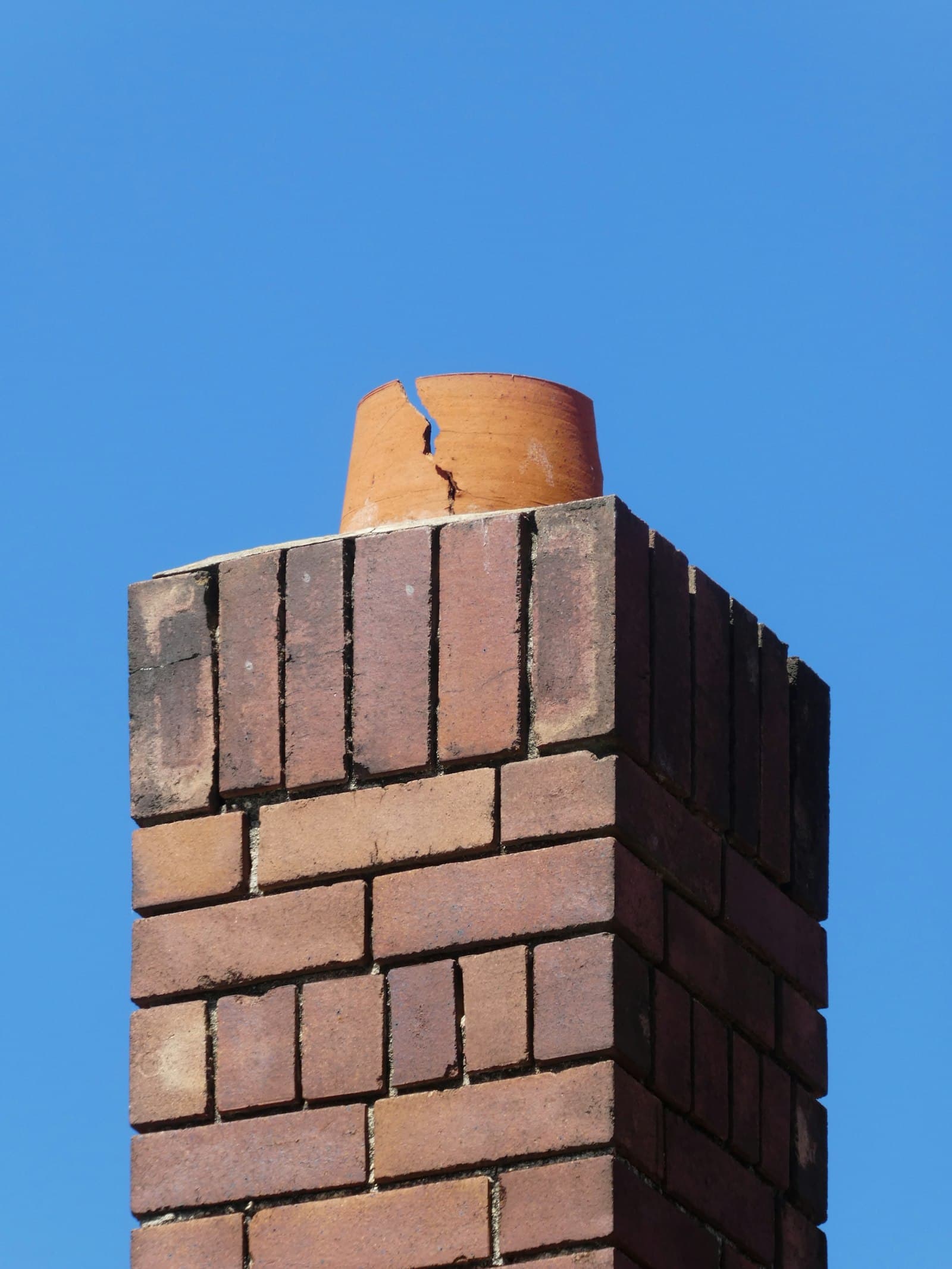
- Cracked crowns. The concrete crown at the top is your first line of defense. Florida's heat-and-rain cycling causes hairline cracks that widen over time, channeling water straight into the chimney.
- Failed flashing. The metal flashing where the chimney meets the roof is a frequent leak point. Sun and salt air degrade old sealant and corrode thin metal, opening seams right where water collects.
- Rusted or missing caps. Without a proper cap, rain pours straight down the flue. Near the coast, salt air eats through cheap caps fast.
- Salt-air corrosion. If you're anywhere near the Intracoastal or the ocean, in Palm Beach, Riviera Beach or Lake Worth Beach, airborne salt accelerates rust and breaks down materials years sooner than inland homes.
How to Tell Where the Leak Is Coming From
Pinpointing the source matters, because the wrong fix wastes money. A few clues homeowners can read:
- Stains only during heavy or wind-driven rain often point to flashing or a porous chimney exterior.
- Water dripping from inside the firebox usually means a crown crack or a missing cap letting rain down the flue.
- White, chalky residue on the brick (efflorescence) is a tell-tale sign that water is moving through the masonry itself.
- A musty smell that lingers after storms suggests moisture trapped in the structure, which is common in our humidity.
Because these symptoms overlap, a proper diagnosis often takes an on-the-roof look. If you've already got active staining, it's worth getting professional chimney leak repair before the next storm drives the moisture deeper into your walls and framing.
How to Stop a Chimney Leak for Good in South Florida
Stopping a leak permanently means fixing the actual entry point and then protecting the masonry against our climate. The right combination depends on what your chimney needs, but these are the core solutions.
1. Repair or Replace the Flashing
Because the roof-to-chimney joint is one possible entry path, inspect and diagnose it before selecting a repair. Quality chimney flashing repair means properly integrated metal and fresh sealant at the specified laps and seams, not just a smear of caulk over the old failure. Done right, it handles the wind-driven rain that defines our summers.
2. Seal and Rebuild the Crown
If the crown is cracked, it needs to be sealed or rebuilt. Material selection should follow the installed system, existing assembly, measured exposure, dimensions, code, manufacturer guidance, and approved project requirements.
3. Waterproof the Masonry
Because brick and mortar absorb water, sealing the entire chimney exterior is one of the smartest long-term moves a South Florida homeowner can make. Professional chimney waterproofing uses a breathable, water-repellent treatment that blocks rain from soaking in while still letting trapped moisture escape, which is critical in our humidity, where trapping existing moisture can worsen deterioration.
4. Install or Upgrade the Cap
A solid cap keeps rain out of the flue and blocks debris and animals. For coastal work, material selection should follow the installed system, existing assembly, measured exposure, dimensions, code, manufacturer guidance, and approved project requirements.
Don't Wait Until the Stain Spreads
Flashing comes up often enough on this list that it has its own article: chimney flashing leaks and the ceiling stains they cause covers how to tell a flashing leak from a roof leak.
A chimney leak generally requires its source to be identified and corrected, and in our climate warm, humid conditions can contribute to rot, corrosion, or musty odor when moisture remains trapped. Finding the entry path early may limit damage to framing, finishes, or other materials.
For non-emergency chimney or fireplace service in West Palm Beach, call (561) 830-5154 to request a free inspection and written estimate. Request a written estimate with materials, exclusions, and any applicable warranty terms before approving work. Review chimney leak repair for service details.
Water showing up around your chimney? Find the likely source
Five questions about where the water shows up and when it shows up, and it narrows the list to the part that is letting it in.
Need chimney or fireplace help in West Palm Beach?
Call with the property ZIP code and a short description of what you see.
Call (561) 830-5154