
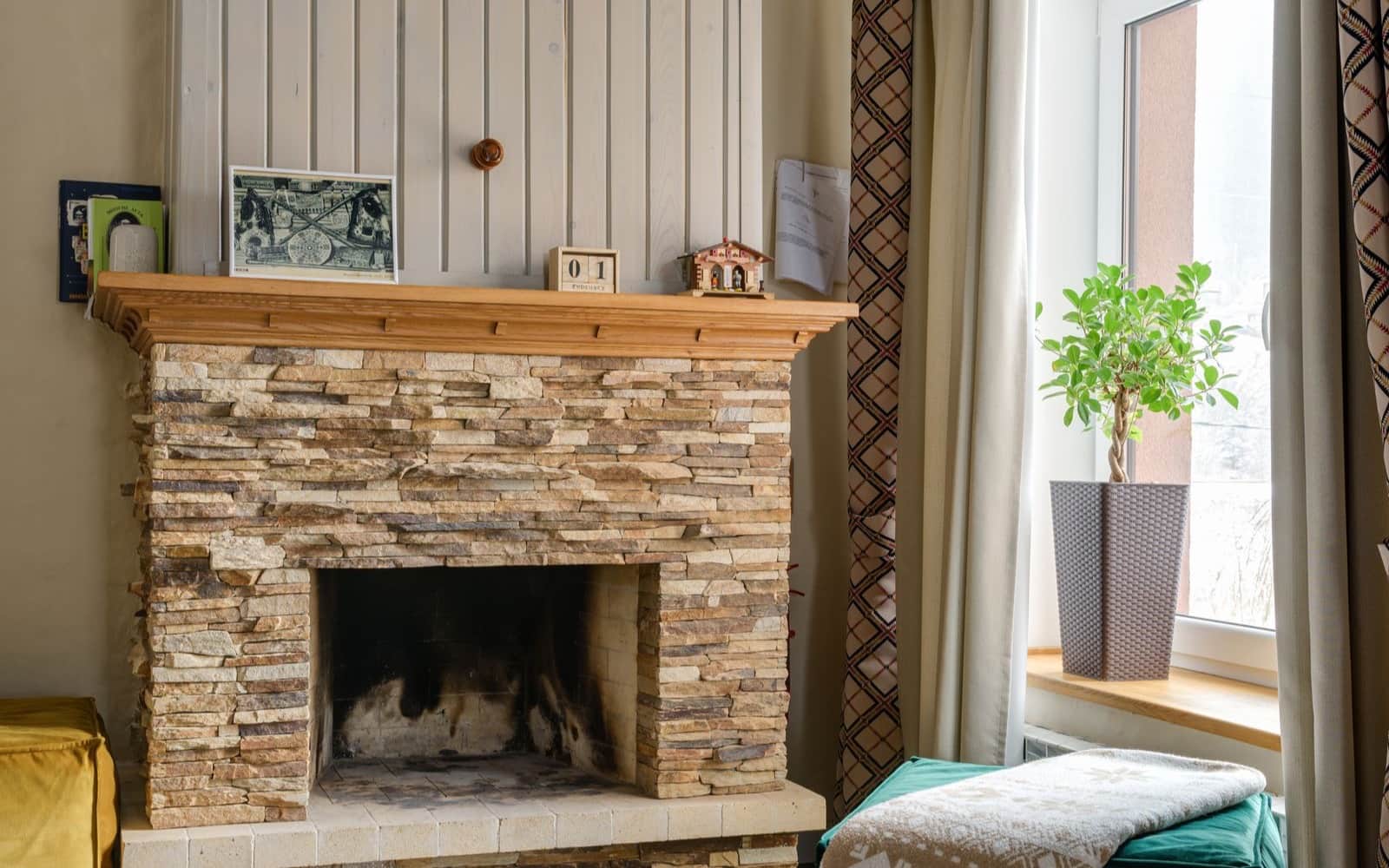
Chimney sweep in Wellington
Idle factory fireplaces in Olympia, Versailles, and Binks Forest often sit quiet between holidays, then show soot or glazed creosote when someone lights them again. Streets near the Winter Equestrian Festival grounds add HOA parking and tile-roof staging questions. The visit names the listed appliance and how far the flue can be reached before anyone brushes.
You approve a written cleaning plan — method, containment, inspection limits, and any heavier-deposit work as its own line. Brushing does not diagnose rain and does not reconstruct a chase. Learn more about chimney sweep. Water stains use Wellington leak repair. A damaged chase uses Wellington chimney repair.
What a Wellington sweep visit typically includes
- Identification of a factory-built or masonry flue and the fuel that produced the deposits.
- Soot and creosote removal to the booked access, with glazed deposits scoped separately when found.
- Containment and cleanup notes for tile-roof and HOA streets.
- A statement of what was inspected and what was not reachable.
Holiday fireplaces near the equestrian grounds sit unused for months
Idle factory flues in Olympia and Binks Forest often hold soot or glazed creosote after a quiet summer. Festival-week parking and tile-roof staging on those western streets should be stated when you book. A sweep still does not name a rain path or rebuild a chase. Share the community name and fuel type so the written cleaning plan matches that house.
How a Wellington sweep is booked
- Call or send the request. Share the community name, gate notes, fuel type, and how recently the fireplace was used. Call (561) 709-7979 or use the form.
- Free on-site inspection. The appliance and accessible flue are reviewed before cleaning is priced.
- Written estimate. You approve the sweep scope, including any glazed-creosote work, before brushing proceeds.
- Approved work. Cleaning starts only after that estimate is accepted.
Do not light a fire if you hear an animal in the flue. If there is fire, indoor smoke, a carbon-monoxide alarm, or a gas odor, leave the property and use emergency channels first.