

The short answer
White powdery chimney stains may be efflorescence, mineral salts left as moisture moves through masonry and evaporates. The deposit indicates a moisture pathway but does not by itself locate the source, date the damage, or prove the structure is unsound. Evaluate the crown, cap, flashing, masonry, nearby roof, and other possible sources before choosing a repair.
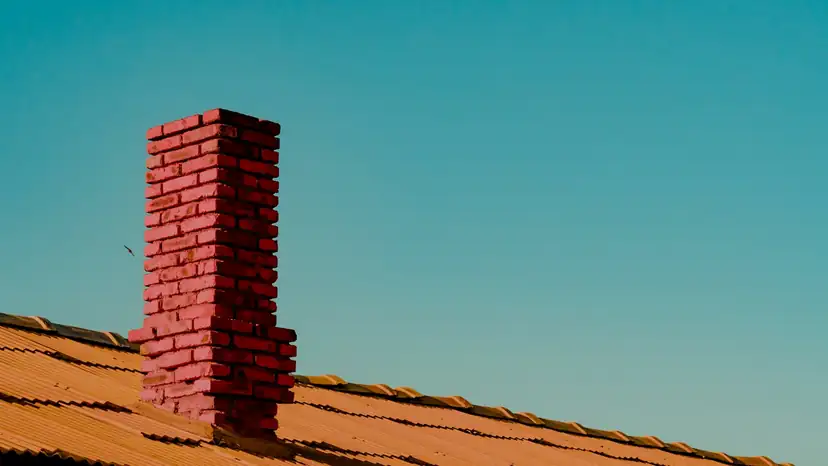
You walk out to your patio one morning, glance up at the chimney, and notice a chalky white film creeping across the brick. It wasn't there last year. Is it mold? Salt? Paint failure? In most West Palm Beach homes, that powdery white residue is something called efflorescence, and while it looks alarming, the staining itself is only the symptom. The real story is what's happening inside the masonry, and in our humid, salt-heavy coastal climate, it's worth understanding before it turns into something more expensive.
What Efflorescence Actually Is
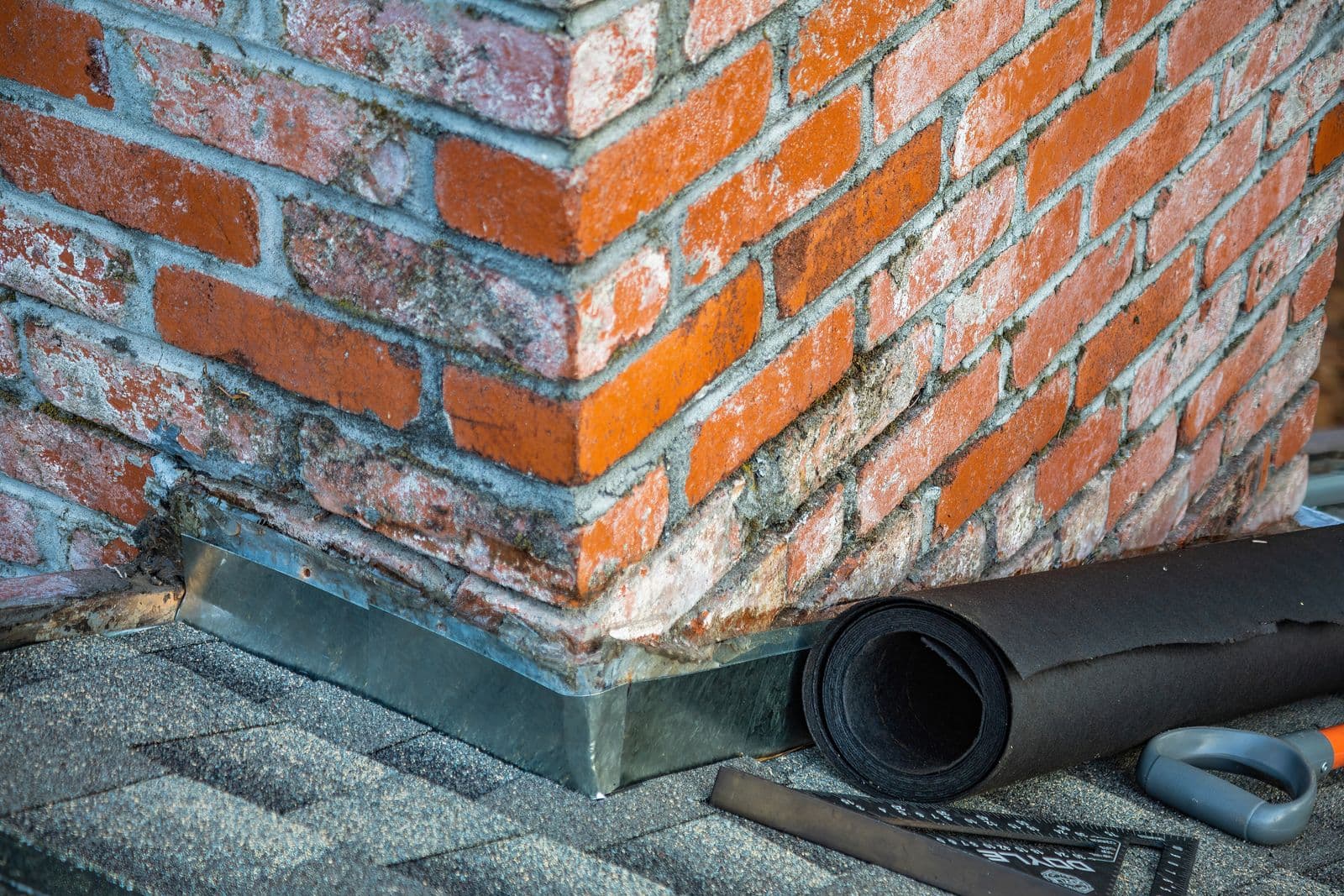
Efflorescence is a deposit of mineral salts left behind on the surface of brick, block, or mortar. The process is simple chemistry. Water moves into the masonry, dissolves naturally occurring salts inside the brick and mortar, and then carries those salts to the surface as it evaporates. The water disappears into the Florida air; the salt stays behind as a white, crystalline crust.
That means efflorescence is, at its core, a water signal. Masonry that stays dry doesn't push salts to the surface. So when you see those white stains on a chimney in Palm Beach County, the brick is telling you that moisture is migrating through it more than it should.
Why It's So Common in Palm Beach County
South Florida is close to a worst-case environment for efflorescence, and a few local factors stack the deck:
- Constant humidity. Even without rain, our air holds enough moisture to keep masonry damp through repeated wet-dry cycles, which is exactly what drives salts to the surface.
- Heavy seasonal rain and storms. Summer downpours and hurricane-season weather drive water into any crack, gap, or unsealed surface on the chimney.
- Coastal salt air. Homes in Riviera Beach, Lake Worth, Lantana, and along the Intracoastal get an extra dose of airborne salt that adds to the mineral load already in the masonry.
- Aging crowns and caps. A cracked crown or a missing cap lets rain pour straight into the chimney structure, accelerating the whole cycle.
Is Efflorescence Dangerous?
The white powder itself won't hurt you, and a light, first-time bloom isn't an emergency. But efflorescence is rarely "just cosmetic," because the moisture causing it can quietly do real damage over time.
Water that repeatedly soaks into brick and mortar expands and contracts with temperature swings. In our climate that flexing leads to spalling, where the face of the brick flakes or pops off, and to deteriorating mortar joints. Persistent interior moisture can also feed mold and rust out metal components like dampers. So the staining is best treated as an early warning rather than a finished problem.
Efflorescence vs. Mold or Stains
Homeowners often confuse efflorescence with mold or general grime. A quick test: efflorescence is a dry, powdery, mineral deposit that often brushes off, and it typically reappears in roughly the same spots after rain. Mold tends to be slimy or fuzzy, has color variation, and grows in shaded, consistently damp areas. If you're unsure, that's a good reason to have a professional take a look rather than guess.
How to Address White Chimney Stains the Right Way
Here's the point that matters: scrubbing off the white residue does not fix anything. If the underlying moisture path is still open, the stains come right back, usually after the next big rain. Lasting results come from solving the water problem first, then cleaning up the surface.
A proper approach in a coastal home usually looks like this:
- Find the moisture source. An inspection identifies whether water is entering through a cracked crown, failed flashing, an unsealed cap, or porous brick.
- Repair the masonry. Cracked crowns, spalled brick, and open joints need real chimney masonry repair, including repointing with a compatible repair material selected for the existing assembly and exposure that stands up to South Florida moisture, before any sealing is done.
- Seal out future water. Once repairs are complete, a breathable chimney waterproofing treatment keeps driving rain out while still letting trapped vapor escape, which is critical in a humid climate.
- Clean the existing deposits. Only after the water path is closed does it make sense to clean the efflorescence off the brick, usually with dry brushing or a masonry-appropriate cleaner rather than a pressure washer, which can damage soft mortar.
Sealing brick that's still leaking, or sealing it with the wrong non-breathable product, can actually trap moisture inside and make spalling worse. That's why order of operations matters, and why a coastal-experienced contractor is worth the call.
A Few Things to Watch For
Between professional visits, keep an eye out for changes that suggest the moisture problem is advancing: brick faces that feel flaky or are shedding grit, mortar joints that look recessed or crumbly, rust streaks, or a musty smell near the firebox. Any of these alongside efflorescence means it's time for a closer look.
Get a Local, Honest Assessment
For non-emergency chimney or fireplace service in West Palm Beach, call (561) 830-5154 to request a free inspection and written estimate. Request a written estimate with materials, exclusions, and any applicable warranty terms before approving work. Review chimney waterproofing for service details.
Water showing up around your chimney? Find the likely source
Five questions about where the water shows up and when it shows up, and it narrows the list to the part that is letting it in.
Need chimney or fireplace help in West Palm Beach?
Call with the property ZIP code and a short description of what you see.
Call (561) 830-5154