

The short answer
Spalling brick is the face of the masonry flaking, popping or crumbling away in layers. On this coast the cause is saturation plus salt crystallizing inside the brick as it dries, a moisture mechanism rather than a cold-weather one. Water gets in through a failed crown, cap or joint, so fix that source before replacing any brick.
If you've noticed your chimney shedding thin flakes of brick, with small piles of reddish grit collecting on the roof or at the base, you're looking at spalling. It's a common masonry problem on chimneys across West Palm Beach and the wider Palm Beach County area, and coastal moisture and salt exposure can allow it to progress between visual checks. The good news is that spalling is fixable. The important part is understanding why it's happening so the repair actually lasts.
What Spalling Brick Actually Is
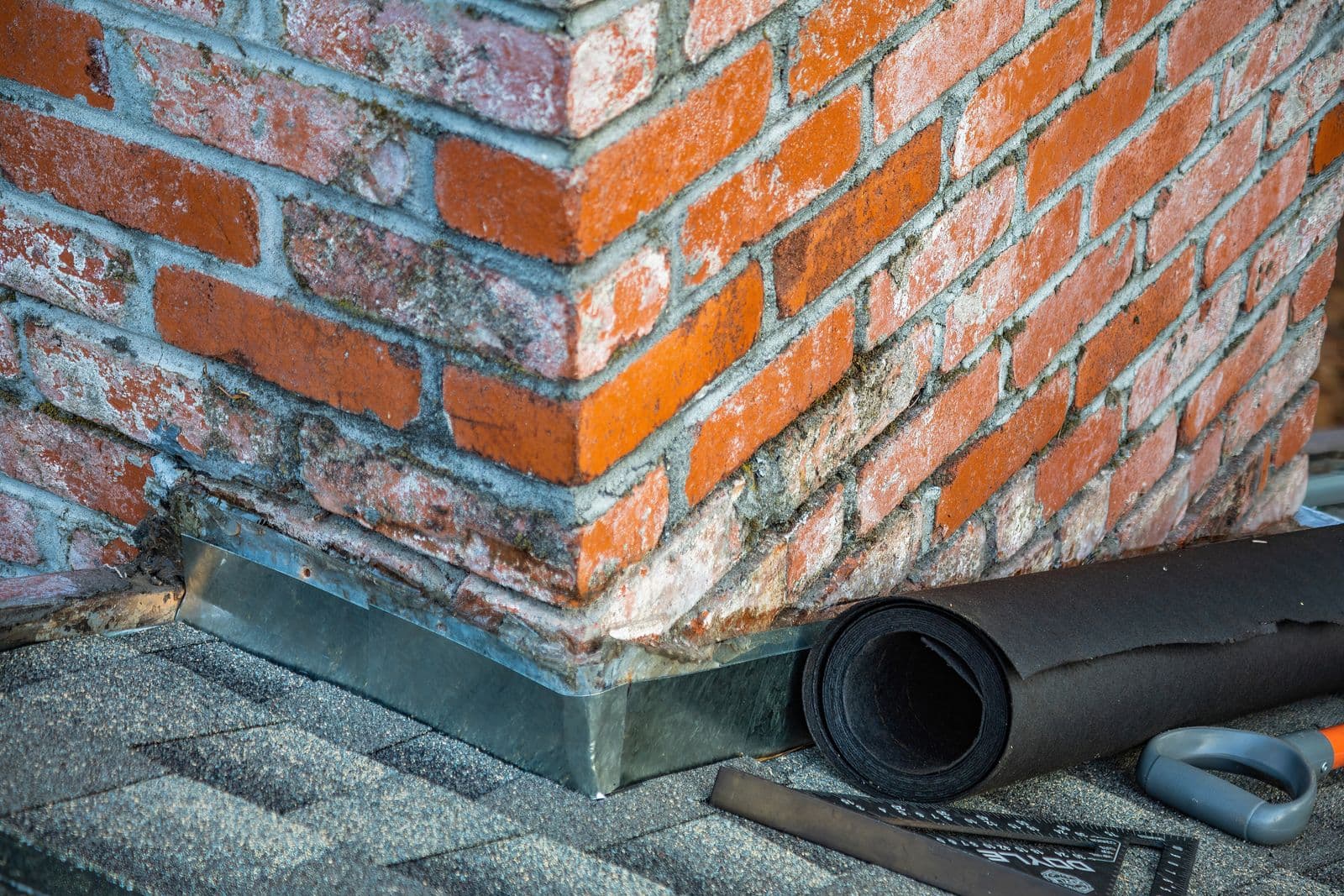
Spalling is the surface of brick or mortar breaking apart: flaking, peeling, popping, or crumbling away in layers. You might see the smooth face of a brick sheared off, leaving a rough, pitted patch behind. Sometimes whole corners or chunks let go. Spalling isn't just cosmetic. Additional flaking can expose more of the brick's soft interior to the elements, and the damage accelerates from there. Left alone long enough, spalling weakens the entire chimney structure.
Why It Happens, Especially in South Florida
At its core, spalling is a moisture problem. Brick is porous. It soaks up water, and when that trapped water expands, which happens through repeated saturation and drying here rather than through the freeze-thaw cycles that do the damage up north, it pushes the brick apart from the inside out. In Palm Beach County we rarely worry about freezing, but we have our own aggressive set of conditions.
- Coastal salt air: Homes in Riviera Beach, along the Intracoastal, and anywhere near the ocean take a constant load of airborne salt. Salt crystals form inside the brick's pores and expand as they grow, prying the surface apart in a process called salt crystallization. This is one of the main accelerators of spalling near the coast.
- Humidity and heavy rain: Our long, wet season keeps masonry saturated for weeks at a time. Brick exposed to persistent moisture can remain vulnerable.
- Hurricane-driven rain: Wind-driven storms force water deep into joints and cap cracks that would otherwise stay dry.
- The wrong sealer or paint: Ironically, some spalling is associated with an incompatible coating that restricts drying. That traps moisture inside the brick, and the next dry spell pops the face right off.
- A failing crown or cap: When the concrete crown on top of the chimney cracks, or the cap is missing or corroded, water pours straight into the masonry from above. This is a frequent entry point.
How to Spot Spalling Early
Catching it early saves you a lot of money. Walk your property after a heavy storm and look for these warning signs:
- Flakes, chips, or reddish powder on the roof, in gutters, or at the base of the chimney
- Brick faces that look pitted, scaled, or hollowed out
- White, chalky residue on the brick (efflorescence), a sign water is moving through the masonry
- Crumbling or recessed mortar joints between bricks
- Damp spots, staining, or a musty smell near the firebox or interior chimney wall
How Spalling Brick Gets Fixed
The right repair depends entirely on how far the damage has spread. A reputable contractor should generally start by tracing where water is getting in. Fixing the brick without stopping the source leaves the repair vulnerable to repeat moisture damage.
Repointing and selective brick replacement
When spalling is limited to a few bricks or deteriorated mortar joints, the fix is targeted. Damaged bricks may be replaced with compatible units selected for the existing masonry and documented availability, and failing joints are repointed. Material selection should follow the installed system, existing assembly, measured exposure, dimensions, code, manufacturer guidance, and approved project requirements. This kind of focused chimney masonry repair addresses the damaged units without disturbing sound brick around them; when deterioration affects several exterior components, compare it with a broader chimney restoration scope.
Crown repair and waterproofing
Because so much spalling starts at the top, repairs often include sealing or rebuilding a cracked crown and confirming the chimney has a proper cap. For coastal work, material selection should follow the installed system, existing assembly, measured exposure, dimensions, code, manufacturer guidance, and approved project requirements. The final step is a breathable masonry water repellent, one that lets the brick release moisture while blocking new water from soaking in. Do not apply a coating without confirming substrate compatibility, preparation, vapor behavior, product instructions, and the actual moisture source.
Partial or full rebuild
When spalling has gone deep, meaning bricks are crumbling all the way through, the structure is leaning, or large sections have lost their faces, patching is no longer safe or cost-effective. At that point a chimney rebuild of the affected section, or the full stack above the roofline, is the honest answer. Rebuilding lets us correct the original moisture issues, install proper flashing, and use materials suited to a salt-air environment so the problem doesn't return.
Don't Wait on Spalling
Spalling only moves in one direction: worse. Visible spalling can progress into deeper masonry and structural damage if its moisture source remains unresolved. If you're seeing flakes, grit, or pitted brick on your chimney anywhere in West Palm Beach, Lake Worth, Wellington, Lantana, or the surrounding Palm Beach County communities, have it looked at before the next storm season.
For non-emergency chimney or fireplace service in West Palm Beach, call (561) 830-5154 to request a free inspection and written estimate. Request a written estimate with materials, exclusions, and any applicable warranty terms before approving work. Review masonry repair for service details.
Need chimney or fireplace help in West Palm Beach?
Call with the property ZIP code and a short description of what you see.
Call (561) 830-5154