

The short answer
Signs a chimney liner may need repair or replacement include fallen tile or metal fragments, corrosion, new draft changes, heat damage, gaps, or findings from an appropriate flue evaluation. These clues do not establish the remedy alone. Stop using the system when liner condition is uncertain; if smoke enters the home or an alarm sounds, evacuate and contact emergency services.
Your chimney liner does quiet, critical work when the fireplace is used. Tucked inside the flue, it shields the surrounding masonry and framing from intense heat, channels corrosive combustion byproducts safely up and out, and keeps your home protected from carbon monoxide. When that liner starts to fail, the warning signs are easy to miss until a small problem becomes an expensive or dangerous one. For homeowners across West Palm Beach and Palm Beach County, the region's salt air and humidity add their own pressure to an already hardworking component. Here is how to tell when your liner may need replacing.
What a Chimney Liner Actually Does
Most chimneys use one of three liner types: clay tile, cast-in-place, or a metal liner (typically stainless steel). Whatever the material, the liner's job is the same. It contains the byproducts of combustion, protects the masonry from heat and acidic condensation, and provides a correctly sized passage so smoke and gases draft properly. A cracked or deteriorated liner can let heat reach combustible materials inside your walls or allow carbon monoxide to seep into living spaces. That is why liner condition is one of the first things a professional checks during a thorough chimney inspection.
Warning Signs Your Liner May Be Failing
1. Pieces of Tile or Debris in the Firebox
One of the clearest red flags is finding flakes, chips, or small chunks of clay tile in the firebox or on the smoke shelf. As clay liners age and absorb repeated heating and cooling cycles, the tiles crack and spall, shedding material downward. If you are sweeping out anything that looks like broken pottery, the liner is breaking apart and needs evaluation.
2. A Persistent Strong Odor
A deteriorated liner often holds onto creosote and moisture, producing a sharp, smoky, or musty smell that lingers even when the fireplace is not in use. In South Florida's humidity, that dampness intensifies, and the odor can drift into the room. While not every odor signals a failing liner, a persistent one paired with other symptoms is worth investigating.
3. Visible Cracks or White Staining
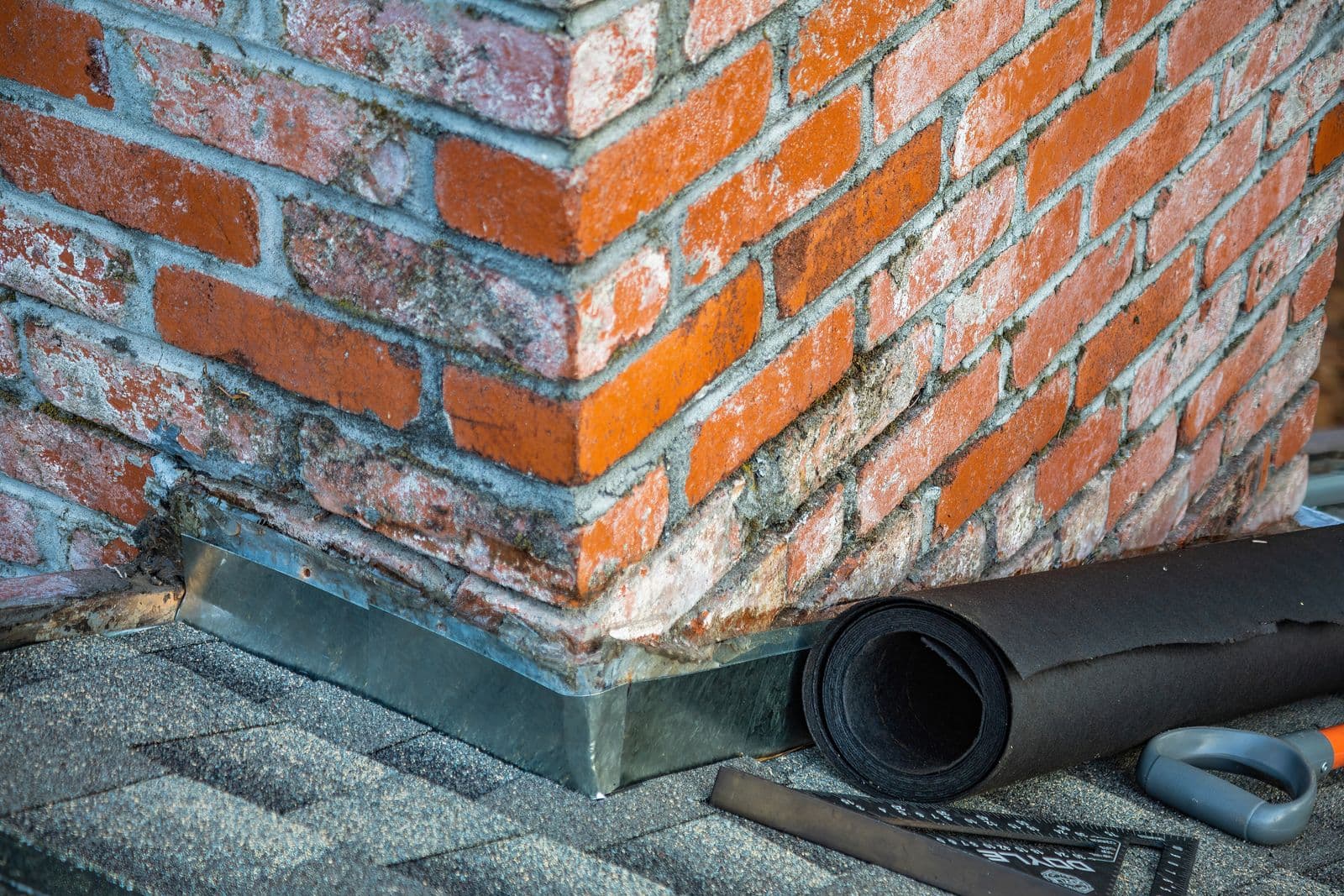
Cracks in the masonry, deteriorating mortar joints between flue tiles, or white efflorescence staining on the exterior chimney can all point to moisture moving through a compromised liner. In our coastal climate, water intrusion is the enemy of any chimney system, and a failing liner accelerates the damage.
4. Poor Draft, Smoke Backing Up, or More Soot
If your fireplace suddenly drafts poorly, pushes smoke back into the room, or leaves heavier soot deposits than usual, the liner may be cracked, partially blocked, or improperly sized after deterioration. A liner that no longer maintains a smooth, correctly dimensioned flue disrupts the airflow your fireplace depends on.
5. An Aging or Unlined Chimney
Older homes throughout West Palm Beach, Lake Worth, and Lantana sometimes have chimneys with original clay liners well past their service life, or in some cases no proper liner at all. If the liner history is unknown, combine age, use, system guidance, condition, prior findings, and incidents when deciding whether evaluation is needed.
Why West Palm Beach's Climate Is Hard on Liners
Coastal Palm Beach County puts unique stress on chimneys. Salt-laden air is corrosive, attacking metal components and breaking down mortar over time. High year-round humidity keeps moisture working against the masonry and any condensation trapped inside the flue. Add the occasional hurricane and the wind-driven rain that comes with it, and you have a recipe for accelerated water intrusion. These conditions can contribute to liner deterioration, making system compatibility, moisture management, and proper installation important. When metal components are part of a repair, compare documented alloy, coating, corrosion resistance, compatibility, fabrication, fasteners, exposure, and manufacturer guidance.
What to Do If You Suspect Liner Damage
A liner problem is not something to diagnose by guesswork. The interior of a flue is difficult to see from below, and the most serious issues, such as hairline heat cracks or gaps in the mortar between tiles, are invisible to the untrained eye. The responsible step is a professional evaluation, which assesses the liner's full length and condition. From there, the right path may be a targeted chimney repair or a documented chimney relining scope when the liner itself needs replacement.
It is worth being honest about safety here: until a damaged liner is properly repaired or replaced, it is best to avoid using the fireplace. A compromised liner can allow heat or combustion gases to reach combustible areas or living spaces. The good news is that a worn liner is a fixable problem when caught in time, and addressing it protects both your home and the surrounding masonry from far costlier damage down the road.
Stay Ahead of Liner Problems
This article is about the symptoms you can observe. For the other half of the question, what each liner material brings to the job and what shortens it in a coastal climate, see how long a chimney liner lasts and what decides it.
Condition-based evaluation can reduce surprises, especially when history is unknown, use changes, or a warning sign or incident occurs. Many liner failures develop slowly, giving a trained eye plenty of chances to catch them early before they threaten your home or your wallet. If you have noticed any of the signs above, or if it has simply been a while since anyone looked inside your flue, do not wait for the next cool night to find out there is a problem.
If fire or smoke enters the home, a carbon-monoxide alarm sounds, or a chimney fire is suspected, evacuate and call 911. Keep the system out of use and arrange contractor follow-up only after responders clear the property.
For non-emergency chimney or fireplace service in West Palm Beach, call (561) 830-5154 to request a free inspection and written estimate. Request a written estimate with materials, exclusions, and any applicable warranty terms before approving work. Review chimney repair for service details.
Need chimney or fireplace help in West Palm Beach?
Call with the property ZIP code and a short description of what you see.
Call (561) 830-5154