
Your chimney does quiet, demanding work. Every time you light a fire, it carries smoke, moisture, and combustion gases safely out of your home—then it sits exposed to weather the rest of the year. Without a yearly routine, small problems compound: a hairline crack lets in water, water freezes or feeds corrosion, and a minor repair becomes a major one. Annual maintenance is the single most effective way to keep a fireplace safe, efficient, and affordable to own.
This checklist walks through what to look at each year, what you can handle yourself, and where a professional belongs. Use it as a seasonal habit—ideally in late summer or early fall, before the first cold night when everyone suddenly wants a fire at once.
Why an Annual Routine Matters
Two enemies drive almost every chimney failure: creosote and water. Creosote is the tarry, combustible residue that wood smoke leaves behind on flue walls; enough of it can ignite a chimney fire that reaches well over 1,000 degrees. Water is the slower threat—it seeps into masonry, rusts steel components, and breaks mortar apart through repeated wetting and drying. In humid, salt-laden coastal climates like South Florida, moisture and corrosion are especially aggressive, so a yearly check pays off even for homeowners who only burn a few times a season.
An annual rhythm catches both problems while they're cheap to fix. It also keeps your system performing the way it should: drawing properly, venting cleanly, and not pushing smoke or odors back into living space.
The Annual Chimney Maintenance Checklist
Think of yearly upkeep in two parts: what you can observe from the ground and inside the firebox, and what requires climbing, specialized tools, and training. A consistent chimney maintenance routine combines both so nothing slips through the cracks.
1. Schedule a Professional Inspection
Start here. A qualified technician examines the flue lining, firebox, damper, smoke chamber, and exterior structure for cracks, gaps, blockages, and deterioration you simply can't see from a chair by the hearth. A thorough chimney inspection is the foundation of the whole checklist—everything else depends on knowing the true condition of the system. Industry guidance is to have chimneys inspected once a year regardless of how often you burn, because animals, weather, and time affect them even when the fireplace sits idle.
2. Have the Flue Cleaned When Needed
If the inspection finds creosote buildup, debris, or a nest, the flue needs cleaning before you burn again. A professional chimney sweep removes deposits from the flue walls and smoke chamber using brushes and vacuums designed to contain the mess. As a rule of thumb, when creosote reaches about an eighth of an inch, it's time to clean. Frequent wood burners may need this more than once a year; occasional users often need it annually.
3. Inspect the Chimney Cap and Spark Arrestor
The cap is your chimney's hat. It keeps out rain, birds, squirrels, and wind-blown debris, and its mesh screen stops embers from landing on the roof. Look for a missing cap, bent or rusted mesh, or gaps where critters could enter. In coastal areas, ordinary galvanized caps corrode quickly; upgrading to 316 marine-grade stainless steel resists salt air far better and lasts dramatically longer.
4. Check the Crown and Flashing for Water Entry
The crown is the sloped masonry slab at the very top that sheds water away from the flue. Hairline cracks here are a leading cause of leaks. A durable repair uses type-S mortar, which stands up to weather and movement. Lower down, the flashing—the metal seal where the chimney meets the roof—should be tight and unbroken; failed flashing is one of the most common sources of ceiling stains near a chimney.
5. Examine the Masonry and Mortar Joints
Walk the perimeter and look up. Spalling brick (faces flaking off), crumbling mortar joints, and white efflorescence staining all signal that water is getting in. Addressing these early—through repointing or sealing—prevents the kind of structural decay that's far costlier to reverse once it spreads.
6. Test the Damper
Open and close the damper to confirm it moves freely and seals fully. A damper stuck open wastes conditioned air year-round; one stuck closed is a smoke and carbon monoxide hazard. Rust, warping, or a missing seal are all worth flagging.
7. Clean Out the Firebox
This is the most homeowner-friendly task. Once ashes are fully cold, remove them and inspect the firebox floor and walls for cracked brick or deteriorating mortar. Never shop-vac warm ashes—embers can smolder unseen for days. Store removed ashes in a metal container, away from the house.
8. Verify Smoke and Carbon Monoxide Detectors
It's not part of the chimney itself, but it belongs on every fireplace owner's annual list. Test detectors, replace batteries, and make sure you have a working carbon monoxide alarm near sleeping areas. These are your last line of defense if a venting problem develops.
What You Can Do vs. What Needs a Pro
Homeowners can comfortably handle the lighter, ground-level tasks: clearing cold ashes, doing a visual once-over of the cap and exterior with binoculars, testing the damper, and keeping detectors current. Burning only seasoned, dry hardwood and avoiding trash or treated lumber also slows creosote buildup dramatically.
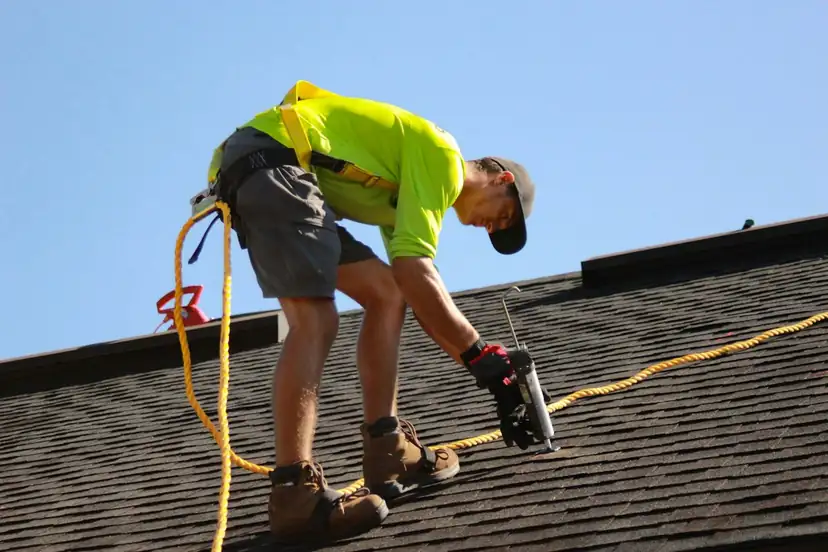
The rest belongs to a trained technician. Climbing the roof, evaluating the flue liner, removing creosote safely, and repairing crowns, flashing, or masonry all require equipment, experience, and an eye for problems that don't announce themselves. A pro can also tell you whether a small issue can wait or needs attention now—judgment that protects both your wallet and your safety.
Build the Habit Before Burning Season
The best time to run this checklist is well ahead of the first cold snap. Booking early means you're not waiting in line during the fall rush, and any repairs that surface have time to be completed before you light that first fire. Make it an annual appointment on the calendar, the same way you'd service an HVAC system, and your fireplace will reward you with years of safe, reliable warmth.
Want a trained set of eyes on your system before this season? We offer a free written estimate and same-day scheduling. Call (561) 709-7979 or learn more about our approach to chimney maintenance—we'll help you check every box on this list with confidence.
Maintenance in West Palm Beach, FL — what local homeowners need to know
Searching "maintenance near me" or "maintenance west palm beach fl" in West Palm Beach usually means one of three things: a same-day problem, a quick comparison of two or three local companies, or an insurance check before booking. We are built for all three.
Whatever the job, that means documentation first, a free written estimate, and maintenance built for the Florida-coastal climate. South Florida chimneys are not inland chimneys — coastal salt air corrodes caps and flashing faster, tropical humidity keeps masonry damp for months, and storm-pressure cycles open mortar joints. Any maintenance done in West Palm Beach has to account for that, or it fails early.
What maintenance costs in West Palm Beach, FL
National chimney sites keep maintenance pricing intentionally vague. Ours is not. Here is what actually moves the number on a West Palm Beach maintenance job:
- chimney height, roof pitch, and access
- materials grade — 316 marine-grade hardware inside the coastal salt-air line
- scope uncovered during the baseline inspection
- documentation needs for insurance or resale
- emergency vs. routine scheduling
What we will not do is bait-and-switch you with a low online quote and add charges on the invoice. The number on the free estimate is the number you are invoiced. If something hidden surfaces mid-job we stop, photograph it, quote the change, and only proceed with your approval — which is why "best maintenance near me" searches keep finding us instead of the cheapest bid.
The maintenance process, start to finish, in West Palm Beach
Every maintenance appointment in West Palm Beach runs the same predictable way. You call (561) 709-7979 and a real technician answers; we ask what is happening and book a fixed arrival window, often same-day. An insured West Palm Beach technician arrives on time, inspects and photographs the chimney, scopes the flue if the job calls for it, and sends a free written estimate the same business day — before any work is scheduled.
When the maintenance work is done you get a report within one business day: before-and-after photos, a plain-language summary, warranty paperwork, and insurance-ready documentation on request. We follow up about a week later to confirm everything is right — and if it is not, we come back at no charge.
Maintenance for every type of West Palm Beach home
West Palm Beach housing stock is unusually varied — Mediterranean Revival waterfront in El Cid, mid-century ranches in Pleasant City, 1920s cottages in Old Northwood, and newer stucco-on-block infill across Westgate and the South End. Maintenance is approached a little differently on each: historic homes prioritize crown, flashing, and cap condition, while newer homes more often involve factory-built and gas systems. Waterfront properties get marine-grade hardware that resists salt-air corrosion.
Choosing a maintenance company in West Palm Beach
Homeowners searching "top-rated maintenance near me" or "local maintenance west palm beach" in West Palm Beach are usually weighing three options: national franchises that route your call to a central dispatcher and bake a premium into the bill, handyman generalists who quote cheap but are not chimney specialists and often miss what a specialist catches, and local insured specialists like us. Our maintenance pricing sits between the two — competitive, done by trained technicians, documented, and warrantied in writing.
Maintenance coverage across West Palm Beach neighborhoods
We provide maintenance across every West Palm Beach neighborhood, including Mango Promenade, Vedado, Roosevelt Estates, Pine Wood Park, Westgate, South End West Palm Beach, Downtown West Palm Beach, El Cid, plus the Okeechobee, Forest Hill, and Belvedere corridors. We also cover the neighboring Palm Beach County communities — Lake Worth Beach, Riviera Beach, Greenacres, Royal Palm Beach, Wellington, Lake Park, and the rest of the immediate metro. We come to you; if you are unsure whether we reach your address, call (561) 709-7979.
Serving every West Palm Beach ZIP — 33401, 33402, 33405, 33406, 33407, 33409, 33411, 33415, 33417 — with the same crew, standards, and pricing transparency on every maintenance job.
Why West Palm Beach trusts us for maintenance
120+ verified West Palm Beach reviews, a 4.8 average, and repeat customers in every neighborhood. The phone answered by a real technician, not a call center. Insurance-ready documentation, same-day real-estate reports, and a workmanship warranty on every maintenance job. Call (561) 709-7979 or use the estimate form on this page and we will be in touch within one business day.
- Locally based in West Palm Beach — locally owned, not a national franchise. We come to you.
- Fully insured for Florida residential chimney and fireplace work — certificate of insurance on request.
- Free estimates before tools come out, and the quoted number is the invoiced number.
- Documented maintenance — before-and-after photos and a workmanship warranty in writing.