Call Now (561) 709-7979
Creosote and Chimney Fire Risk in Florida Homes

Safety · West Palm Beach

Creosote and Chimney Fire Risk in Florida Homes

Creosote is the hidden fuel behind most chimney fires. Here's how it forms in humid South Florida homes, why coastal conditions make it worse, and how to stay safe.

March 9, 2026·5 min read·By The Chimney Repair West Palm Beach Team

Most homeowners in West Palm Beach think of chimney fires as a cold-climate problem. In reality, the risk follows the fireplace, not the thermometer. Any wood-burning fireplace or stove in Palm Beach County can develop creosote, and creosote is the single biggest cause of chimney fires anywhere in the country. Our coastal-humid climate actually adds a few wrinkles that a homeowner in a dry northern state never has to think about. Here is what creosote is, why it builds up in Florida homes, and how to keep your family safe.

What Creosote Actually Is

When wood burns, it releases smoke, water vapor, gases, and unburned wood particles. As that mixture travels up a relatively cool flue, it condenses and sticks to the inner walls. That residue is creosote. It starts as a light, sooty dust, but with repeated fires it hardens into a black, tar-like layer and eventually a shiny, glazed crust. Creosote is highly combustible. Once a flue lining is coated, a single hot fire or a stray ember can ignite it, and the resulting chimney fire can reach temperatures that crack masonry, warp metal liners, and spread into the surrounding framing of your home.

The Three Stages of Buildup

  • Stage 1: Fine, flaky soot that brushes away easily. This is the ideal time for a routine cleaning.
  • Stage 2: Crunchy, tar-like flakes that are harder to remove and require professional tools.
  • Stage 3: A hardened, glazed coating that is extremely flammable and often needs specialized treatment to remove safely.

Why South Florida Conditions Make Creosote Worse

Cooler smoke condenses faster, and several things specific to West Palm Beach living keep flue temperatures low and feed creosote growth:

  • High humidity. Palm Beach County air is heavy with moisture year-round. Damp flue walls and damp firewood both lower combustion temperature, producing smokier, more incomplete burns that leave behind more residue.
  • Short, occasional burn seasons. Many local fireplaces only get used on a handful of cool evenings each winter. Those infrequent, often smoldering fires never get hot enough to burn cleanly, which is exactly the condition that lays down creosote fastest.
  • Coastal salt air and corrosion. Salt-laden air near the Intracoastal and the barrier islands degrades chimney caps, flashing, and liners. A corroded or missing cap lets rain and humid air into the flue, keeping it damp and accelerating both creosote condensation and rust.
  • Hurricane-season storms. Wind-driven rain and debris can damage caps and crowns, and water that gets into a flue between storms keeps the interior cool and wet long after the rain stops.

In short, the same coastal-humid, low-use pattern that defines a typical West Palm Beach fireplace is the pattern most likely to grow creosote quietly between uses.

Warning Signs Your Chimney May Be at Risk

  • A strong, smoky or tar-like odor coming from the fireplace, especially on humid days.
  • Black, oily, or flaky deposits visible just inside the flue or on the damper.
  • Smoke pushing back into the room instead of drawing up the chimney.
  • A previous fire that sounded like a low roar or rumble, or that sent unusual sparks out the top. These can indicate a past chimney fire that has already weakened the flue.
  • Rust on the damper or firebox, or a chimney cap that is bent, loose, or missing.

If you notice any of these, stop using the fireplace until it has been looked at. A professional chimney inspection is the only reliable way to confirm how much creosote is present and whether the flue has been damaged.

How to Reduce Creosote and Chimney Fire Risk

You can keep buildup to a minimum with a few simple habits:

  • Burn only seasoned, dry hardwood. Wood that has dried for at least six months to a year burns hotter and cleaner. Avoid green wood, pine scraps, and anything painted or treated, all of which produce extra creosote.
  • Build hot, well-ventilated fires. A brisk fire with plenty of air burns more completely than a slow, smoldering one and deposits far less residue.
  • Keep your cap and crown in good shape. A solid cap, ideally in marine-grade stainless steel for our salt-air environment, keeps rain and humidity out of the flue and slows both creosote and corrosion.
  • Schedule regular service. Even a lightly used Florida fireplace benefits from yearly attention, because humidity keeps a flue damp whether or not you are burning fires.

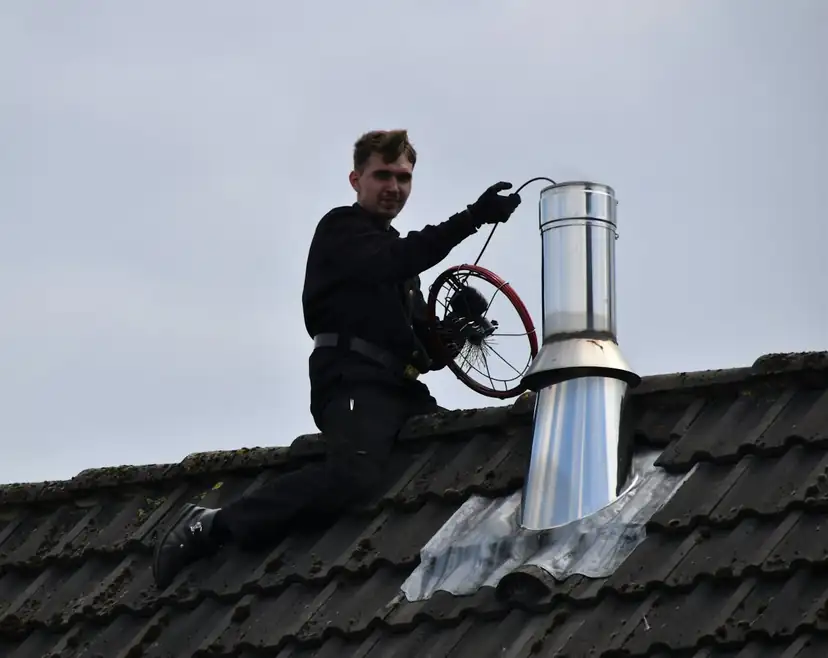
The most effective step is professional cleaning. A thorough chimney cleaning removes the layered buildup that household methods cannot reach, and a trained chimney sweep can also catch a cracked liner, a failing crown, or a corroded cap before it becomes a fire or water-intrusion problem. For an infrequently used coastal fireplace, an annual sweep and inspection before the cool season is a sensible rhythm.

Stay Safe This Season

Creosote builds up silently, and West Palm Beach's humid, salt-laden, stop-and-start burning conditions give it plenty of opportunity. A little prevention goes a long way toward keeping your fireplace warm, efficient, and safe. As a locally owned and fully insured chimney contractor serving West Palm Beach and Palm Beach County, we offer free estimates, same-day scheduling, and written workmanship warranties on our repairs. To have your flue checked or cleaned before your next fire, call us at (561) 709-7979 or schedule a chimney cleaning today.


Your local safety company in West Palm Beach, FL

Safety in West Palm Beach, FL is one of the services our crews handle most. We are a locally owned, fully insured local company — a real technician answers the phone, the estimate comes before the work, and every job is documented and warrantied in writing.

Whatever the job, that means documentation first, a free written estimate, and safety built for the Florida-coastal climate. South Florida chimneys are not inland chimneys — coastal salt air corrodes caps and flashing faster, tropical humidity keeps masonry damp for months, and storm-pressure cycles open mortar joints. Any safety done in West Palm Beach has to account for that, or it fails early.

How safety pricing works in West Palm Beach

National chimney sites keep safety pricing intentionally vague. Ours is not. Here is what actually moves the number on a West Palm Beach safety job:

  • chimney height, roof pitch, and access
  • materials grade — 316 marine-grade hardware inside the coastal salt-air line
  • scope uncovered during the baseline inspection
  • documentation needs for insurance or resale
  • emergency vs. routine scheduling

What we will not do is bait-and-switch you with a low online quote and add charges on the invoice. The number on the free estimate is the number you are invoiced. If something hidden surfaces mid-job we stop, photograph it, quote the change, and only proceed with your approval — which is why "best safety near me" searches keep finding us instead of the cheapest bid.

How our West Palm Beach safety appointments run

Every safety appointment in West Palm Beach runs the same predictable way. You call (561) 709-7979 and a real technician answers; we ask what is happening and book a fixed arrival window, often same-day. An insured West Palm Beach technician arrives on time, inspects and photographs the chimney, scopes the flue if the job calls for it, and sends a free written estimate the same business day — before any work is scheduled.

When the safety work is done you get a report within one business day: before-and-after photos, a plain-language summary, warranty paperwork, and insurance-ready documentation on request. We follow up about a week later to confirm everything is right — and if it is not, we come back at no charge.

Safety across West Palm Beach's housing stock

West Palm Beach housing stock is unusually varied — Mediterranean Revival waterfront in El Cid, mid-century ranches in Pleasant City, 1920s cottages in Old Northwood, and newer stucco-on-block infill across Westgate and the South End. Safety is approached a little differently on each: historic homes prioritize crown, flashing, and cap condition, while newer homes more often involve factory-built and gas systems. Waterfront properties get marine-grade hardware that resists salt-air corrosion.

Why West Palm Beach homeowners switch to us for safety

Homeowners searching "top-rated safety near me" or "local safety west palm beach" in West Palm Beach are usually weighing three options: national franchises that route your call to a central dispatcher and bake a premium into the bill, handyman generalists who quote cheap but are not chimney specialists and often miss what a specialist catches, and local insured specialists like us. Our safety pricing sits between the two — competitive, done by trained technicians, documented, and warrantied in writing.

Safety service area: West Palm Beach, FL and nearby

We provide safety across every West Palm Beach neighborhood, including South End West Palm Beach, Downtown West Palm Beach, El Cid, Old Northwood, Northwood Hills, Flamingo Park, Prospect Park, Grandview Heights, plus the Okeechobee, Forest Hill, and Belvedere corridors. We also cover the neighboring Palm Beach County communities — Lake Clarke Shores, Lantana, Boca Raton, Delray Beach, Boynton Beach, Jupiter, and the rest of the immediate metro. We come to you; if you are unsure whether we reach your address, call (561) 709-7979.

Serving every West Palm Beach ZIP — 33401, 33402, 33405, 33406, 33407, 33409, 33411, 33415, 33417 — with the same crew, standards, and pricing transparency on every safety job.

The safety company West Palm Beach homeowners recommend

120+ verified West Palm Beach reviews, a 4.8 average, and repeat customers in every neighborhood. The phone answered by a real technician, not a call center. Insurance-ready documentation, same-day real-estate reports, and a workmanship warranty on every safety job. Call (561) 709-7979 or use the estimate form on this page and we will be in touch within one business day.

  • Locally based in West Palm Beach — locally owned, not a national franchise. We come to you.
  • Fully insured for Florida residential chimney and fireplace work — certificate of insurance on request.
  • Free estimates before tools come out, and the quoted number is the invoiced number.
  • Documented safety — before-and-after photos and a workmanship warranty in writing.

Service Area

Chimney service near you — every West Palm Beach neighborhood we cover.

We service every ZIP code inside West Palm Beach city limits and the immediately adjacent Palm Beach County communities. If something in this article sounded familiar, we're close by.

Frequently Asked

Safety questions from West Palm Beach homeowners.

How do I find the best safety near me in West Palm Beach?
Three things to check before you book any safety company in West Palm Beach: (1) liability and workers' comp insurance — we'll send our certificate before you book if you ask; (2) a free, written estimate before any work starts; (3) honest, upfront pricing with no hidden add-ons. We meet all three on every job. Call (561) 709-7979 to get a written safety estimate today.
How fast can you get to my West Palm Beach home for safety?
Active leaks, post-storm damage, and chimney fire calls in West Palm Beach get same-day or next-day attention — they move ahead of routine work. Standard safety appointments are usually booked into our daily West Palm Beach rotation the same day. The dispatcher will give you a real time window on the first call, not a four-hour generic slot.
Do you cover safety outside the West Palm Beach city limits?
Yes — we serve immediately adjacent Palm Beach County communities including West Palm Beach, Lake Worth Beach, Riviera Beach, Wellington, Royal Palm Beach, Palm Beach Gardens, North Palm Beach, Greenacres, and Loxahatchee. If your address is within a 20-minute drive of West Palm Beach, you're inside our regular service rotation.
How much does safety cost in West Palm Beach, FL?
Safety pricing in West Palm Beach depends on chimney height, accessibility, materials, and scope. We give every customer a free estimate before tools come out — and the quoted number is the invoiced number. Call (561) 709-7979 for a safety quote for your specific West Palm Beach address.
Are you a local West Palm Beach safety company or a national franchise?
Locally owned and operated in West Palm Beach, FL. The same owner answers the phone today as on day one. No call centers, no rotating subcontractors, no franchise upcharge built into the bill — we come to you.

Ready to book

Talk to a real West Palm Beach chimney technician today.

Free estimate before any work starts, same-day scheduling across every West Palm Beach neighborhood.