

The short answer
Choosing a gas or wood fireplace in South Florida depends on the permitted appliance, fuel supply, venting, clearances, existing chimney, installation, maintenance, code, manufacturer requirements, and household priorities. Neither fuel is universally better. Gas work requires qualified fuel and venting review, while wood use requires the listed chimney system, permitted fuel, deposit management, and system-specific maintenance.
If you're planning a new fireplace installation for your West Palm Beach home, or considering a fireplace remodel for the one you already have, the first real decision is fuel: gas or wood. Both can be done well here, but South Florida's coastal salt air, year-round humidity, and hurricane season change the math in ways that don't apply to homes up north. Here's an honest, local look at how the two compare so you can choose with confidence.
The South Florida Climate Factor
Before comparing flame and ambiance, it helps to understand what our environment does to a chimney system. In Palm Beach County, three forces work against any fireplace:
- Salt air. Homes in Palm Beach, Riviera Beach, and anywhere near the Intracoastal get a steady dose of corrosive marine moisture that eats ordinary metal caps and dampers.
- Humidity. High moisture promotes rust, mold, and faster mortar breakdown in masonry crowns and flues.
- Hurricane-force wind and rain. Driving rain finds available gaps, and high winds stress caps, crowns, and flashing.
Material selection should follow the installed system, existing assembly, measured exposure, dimensions, code, manufacturer guidance, and approved project requirements. Whichever fuel you pick, the system protecting it has to be built for the coast.
Gas Fireplaces: Convenience and Low Maintenance
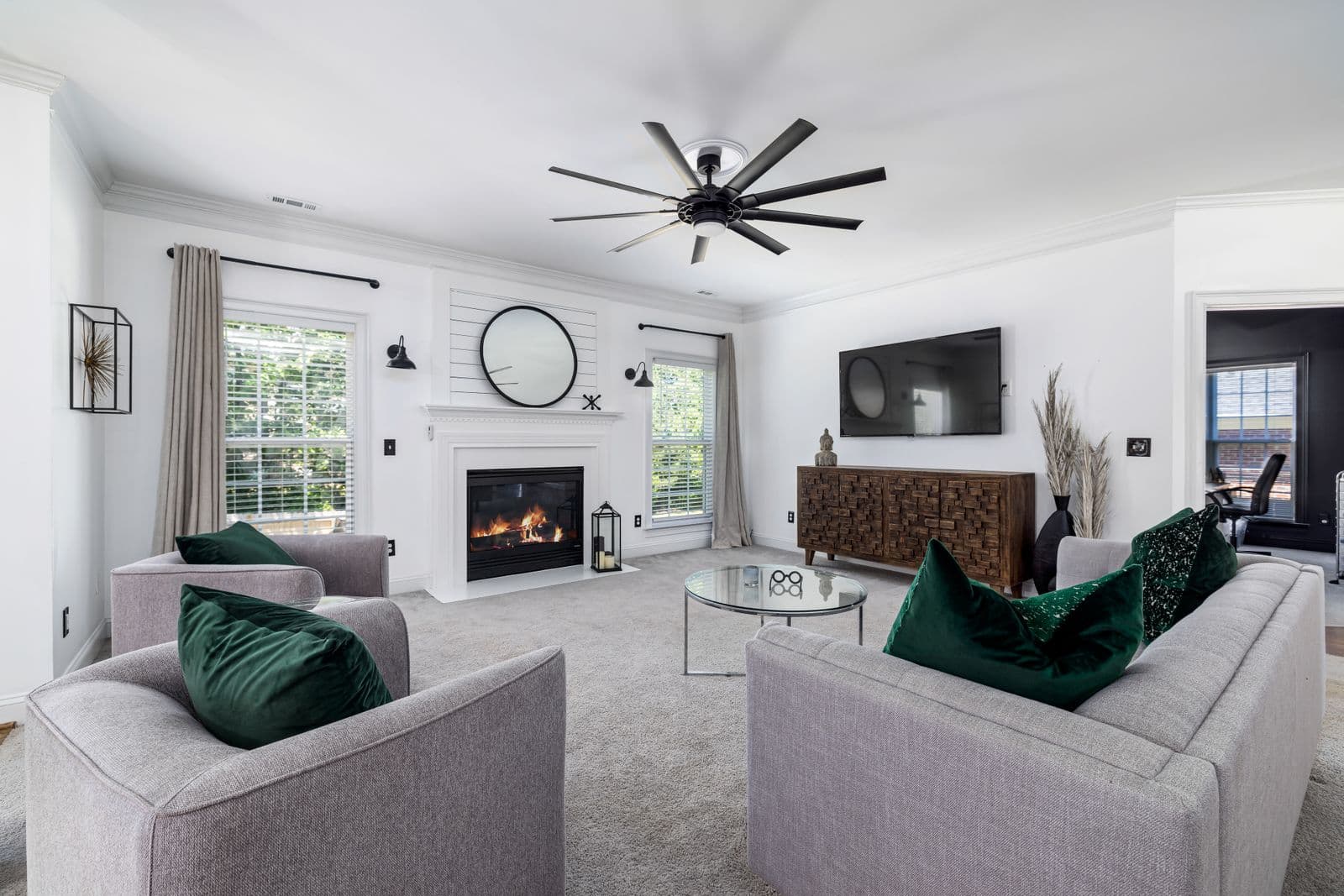
Gas can reduce wood handling and ash, while wood offers a different operating experience. Controls, ignition, heat output, venting, electricity needs, and permitted operation vary by the exact listed appliance.
Advantages of gas
- Effortless operation. On in seconds, off in seconds, which is ideal for occasional use in a warm climate.
- Cleaner running. No creosote buildup, far less soot, and no wood storage that can attract pests in our humid air.
- Better for humidity. With no wood drawing moisture and no ash residue, gas systems tend to stay cleaner between visits.
- System-specific venting. Appliance type, listing, manufacturer instructions, code, permits, clearances, fuel supply, and building conditions determine whether an installation is allowed and how it must vent.
Things to weigh
Gas still demands respect. Connections, burner, controls, venting, and fuel supply require system-specific gas fireplace installation and service at the timing stated by the manufacturer, code, prior findings, condition, or an incident. Gas appliances and venting require system-specific installation and service. If fire or smoke enters the home, a carbon-monoxide alarm sounds, or a chimney fire is suspected, evacuate and call 911. If you suspect a gas leak or smell gas, do not operate switches, electronics, appliances, or flames; evacuate, then call 911 and the gas utility from outside. Arrange contractor service only after emergency responders or the utility clear the property. If you have an existing flue, it should be evaluated before conversion, not assumed to be ready.
Wood Fireplaces: Authentic Ambiance
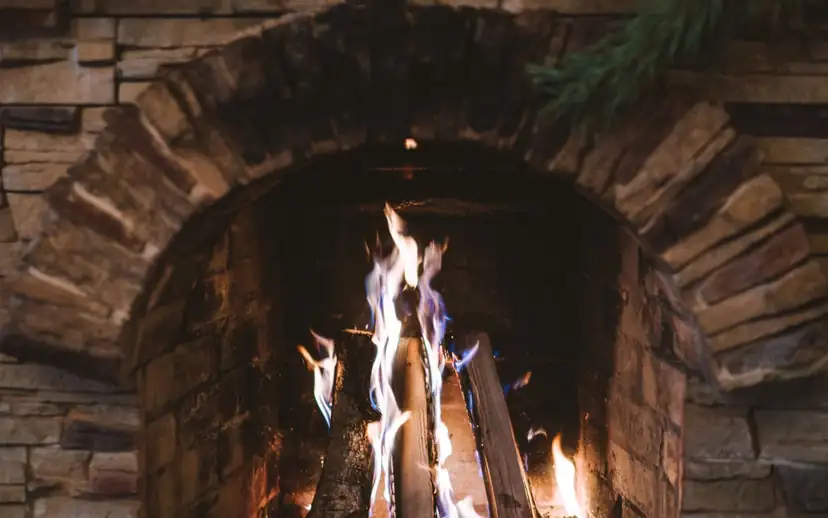
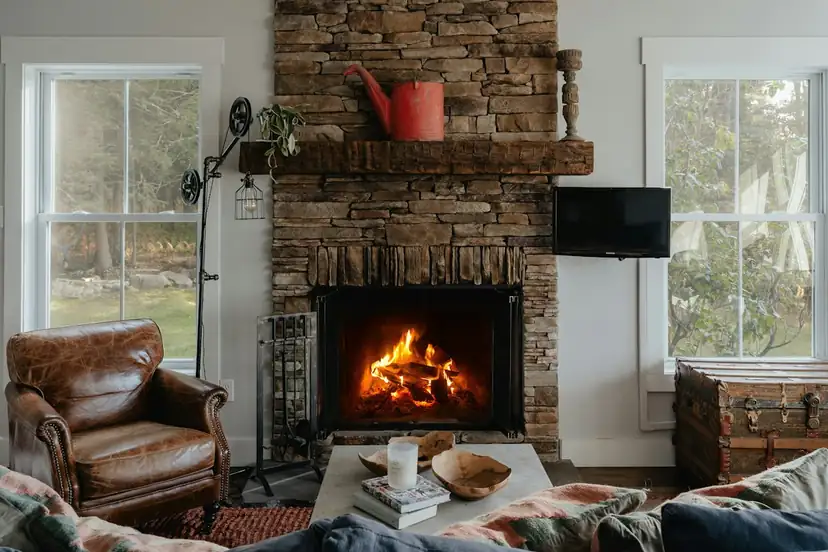
Nothing replicates the crackle, scent, and radiant warmth of a real wood fire. For homeowners who want that classic experience, and who don't mind the extra work, a wood-burning fireplace still has real appeal in the right home.
Advantages of wood
- Genuine atmosphere. The look, sound, and smell of a true fire is something gas can only approximate.
- System-dependent operation. Whether either fuel can be used during an outage depends on the listed appliance, venting, controls, clearances, fuel condition, building condition, and manufacturer instructions. Do not use a fireplace after storm damage, smoke entry, an alarm, or another unresolved warning sign.
- Strong resale appeal for buyers who specifically want a traditional hearth.
The honest tradeoffs in our climate
- Creosote and cleaning. Wood burning produces creosote, a flammable deposit that must be removed to prevent chimney fires. This is the largest ongoing maintenance commitment of the two.
- Moisture and wood storage. Our humidity makes it hard to keep firewood properly dry, and damp wood burns dirtier and builds creosote faster.
- More demanding venting. A wood-burning appliance requires the venting, clearances, components, fuel, and installation specified by its listing, manufacturer instructions, permits, and code; do not infer compatibility from appearance.
Maintenance Reality: What Each Fuel Asks of You
Whichever direction you lean, the deciding question for many homeowners is upkeep. Gas and wood systems have different fireplace maintenance needs. Follow the listed appliance and venting instructions, and base inspection or cleaning timing on fuel, use, deposit condition, prior findings, and incidents.
Before a fuel decision or conversion, request an evaluation of the appliance, venting, flue, crown, cap, flashing, clearances, permits, code, and manufacturer requirements. An inspection tells you the true condition of the flue, crown, cap, and flashing, and whether your existing structure can safely support gas, wood, or a switch between them. It's the step that prevents an expensive surprise later.
So, Which Is Right for You?
The appropriate fuel and appliance depend on the home's permitted installation, existing system, venting, clearances, fuel supply, maintenance commitment, code, manufacturer requirements, and household priorities. There is no universally correct fuel choice; it must fit the permitted installation, home, venting, household priorities, and condition of the existing system.
For non-emergency chimney or fireplace service in West Palm Beach, call (561) 830-5154 to request a free inspection and written estimate. Request a written estimate with materials, exclusions, and any applicable warranty terms before approving work. Review fireplace for service details.
Need chimney or fireplace help in West Palm Beach?
Call with the property ZIP code and a short description of what you see.
Call (561) 830-5154